Introduction
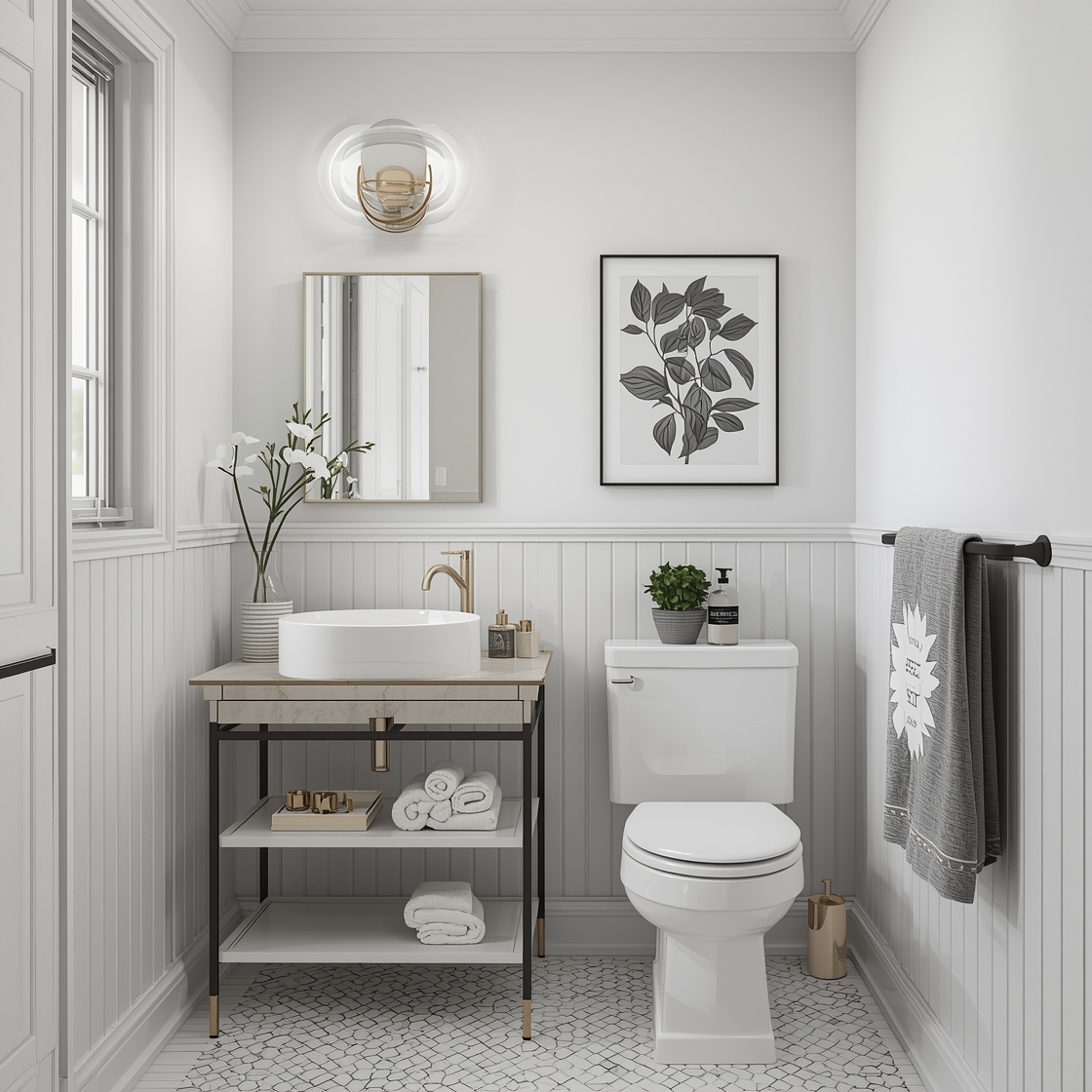
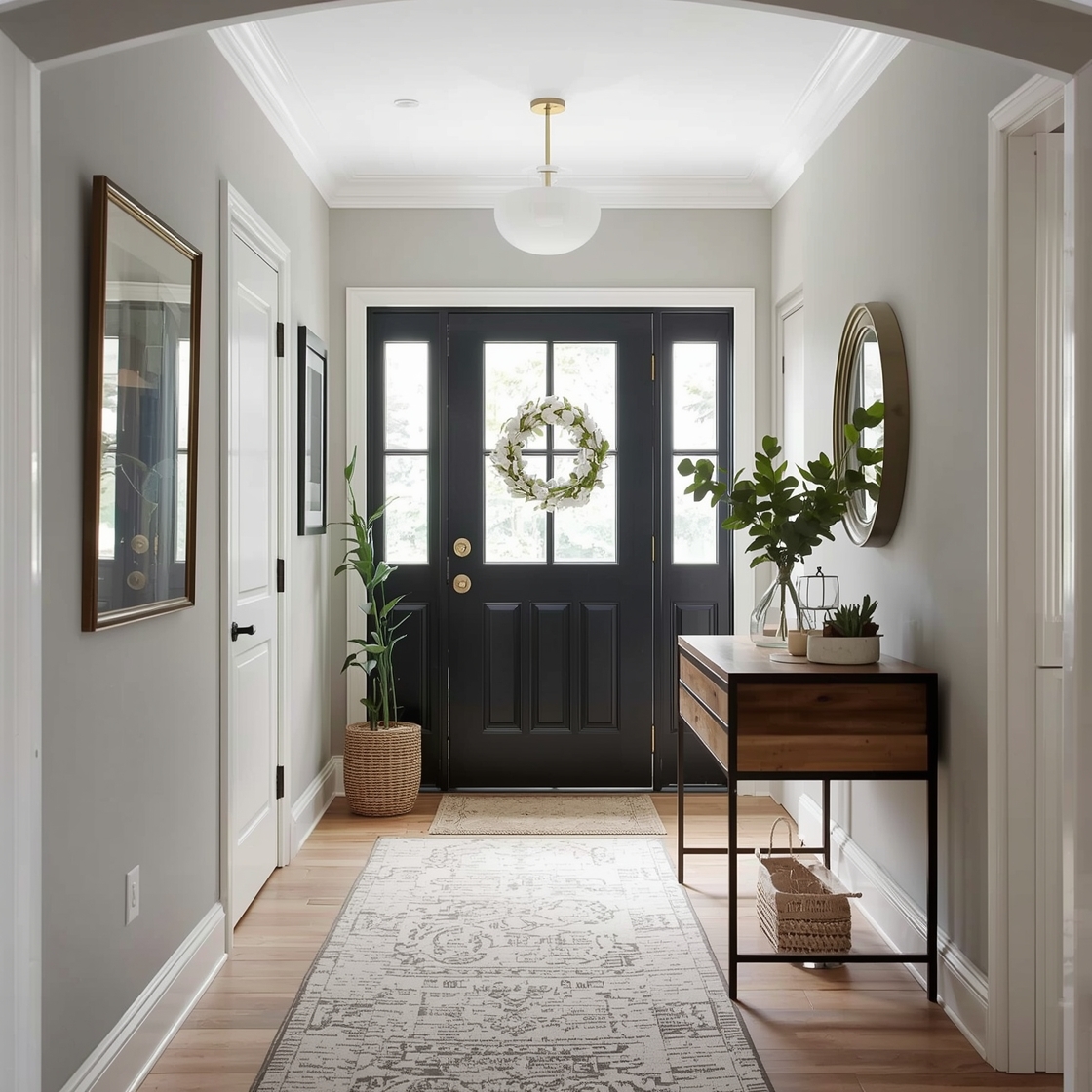
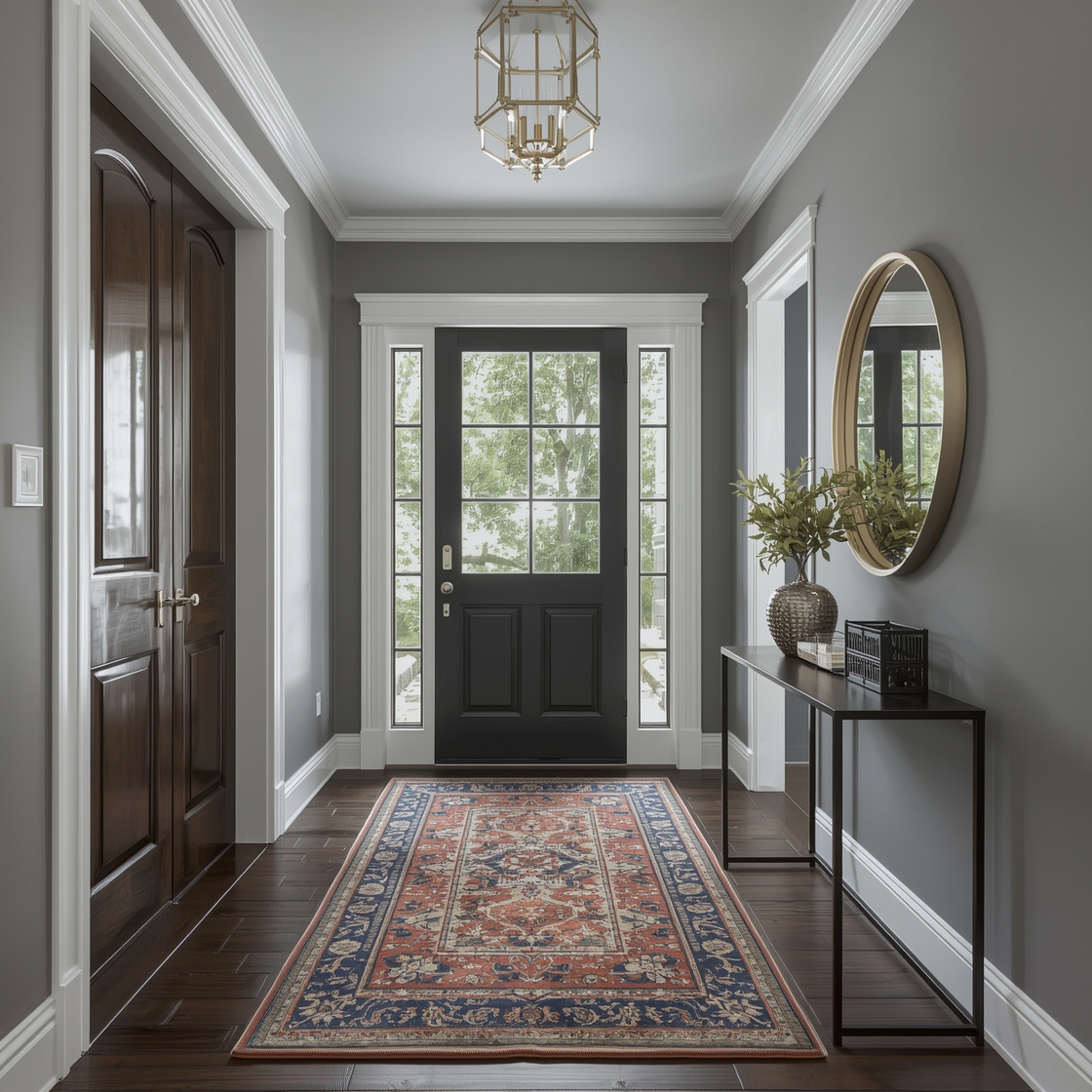
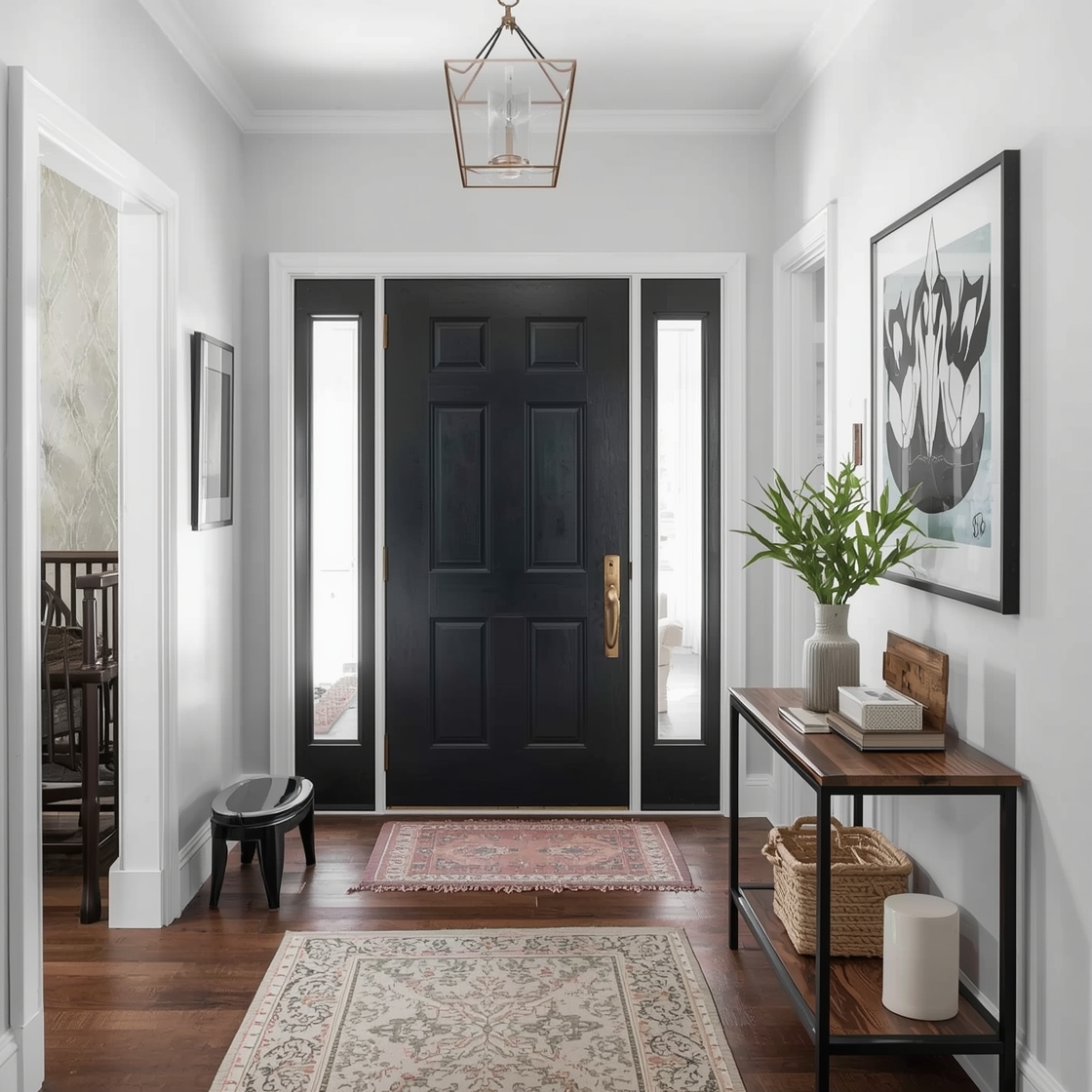
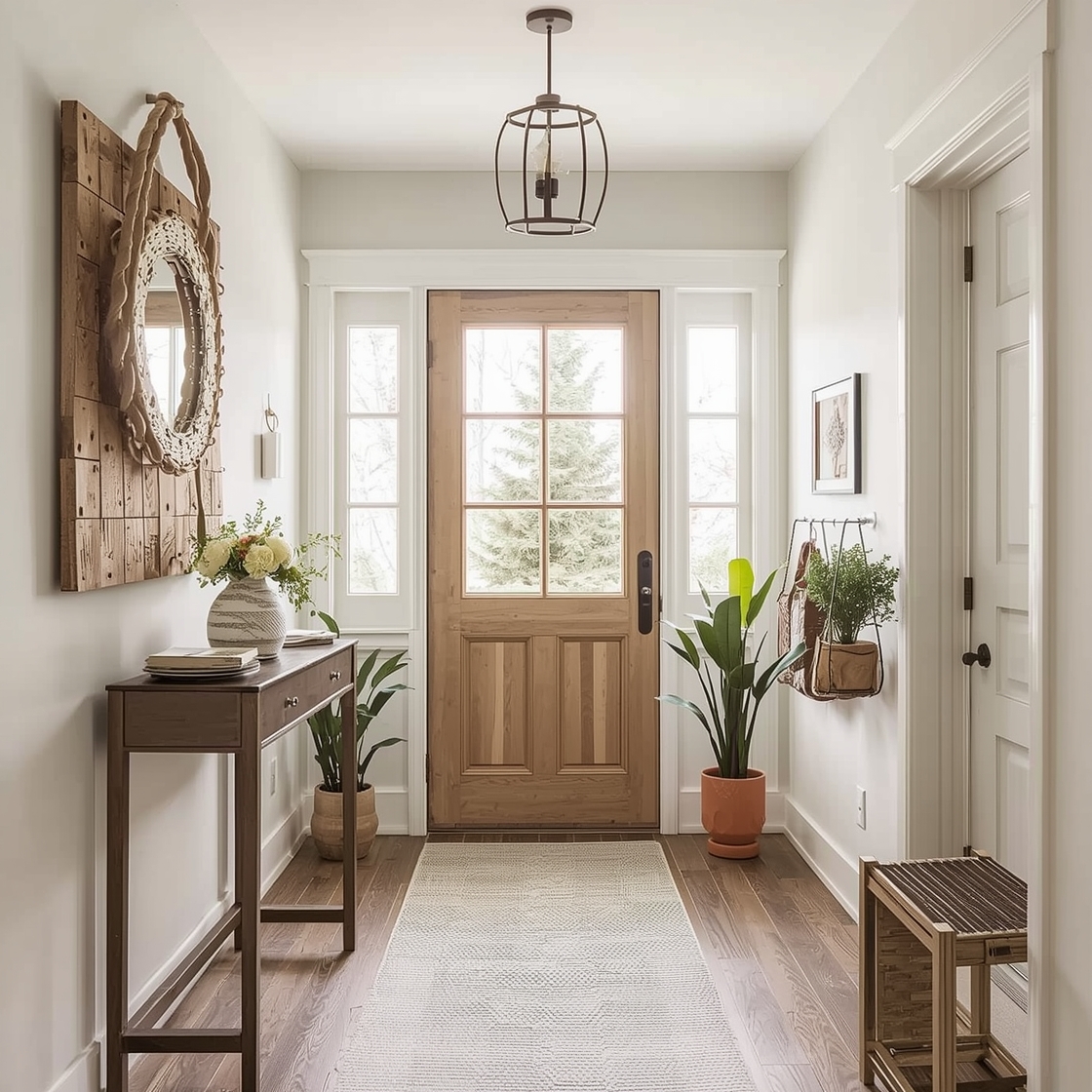
Creating a welcoming first impression doesn’t require a grand foyer. Small Entryways can be just as inviting and functional as their larger counterparts when designed thoughtfully. Whether you’re working with a narrow hallway, a compact corner, or a tight transitional space, the right design approach transforms limitations into opportunities. This comprehensive guide explores seventeen inspiring small entryway ideas that maximize space, enhance organization, and elevate your home’s aesthetic appeal from the moment guests arrive.
Efficient Small Entryway Space Ideas
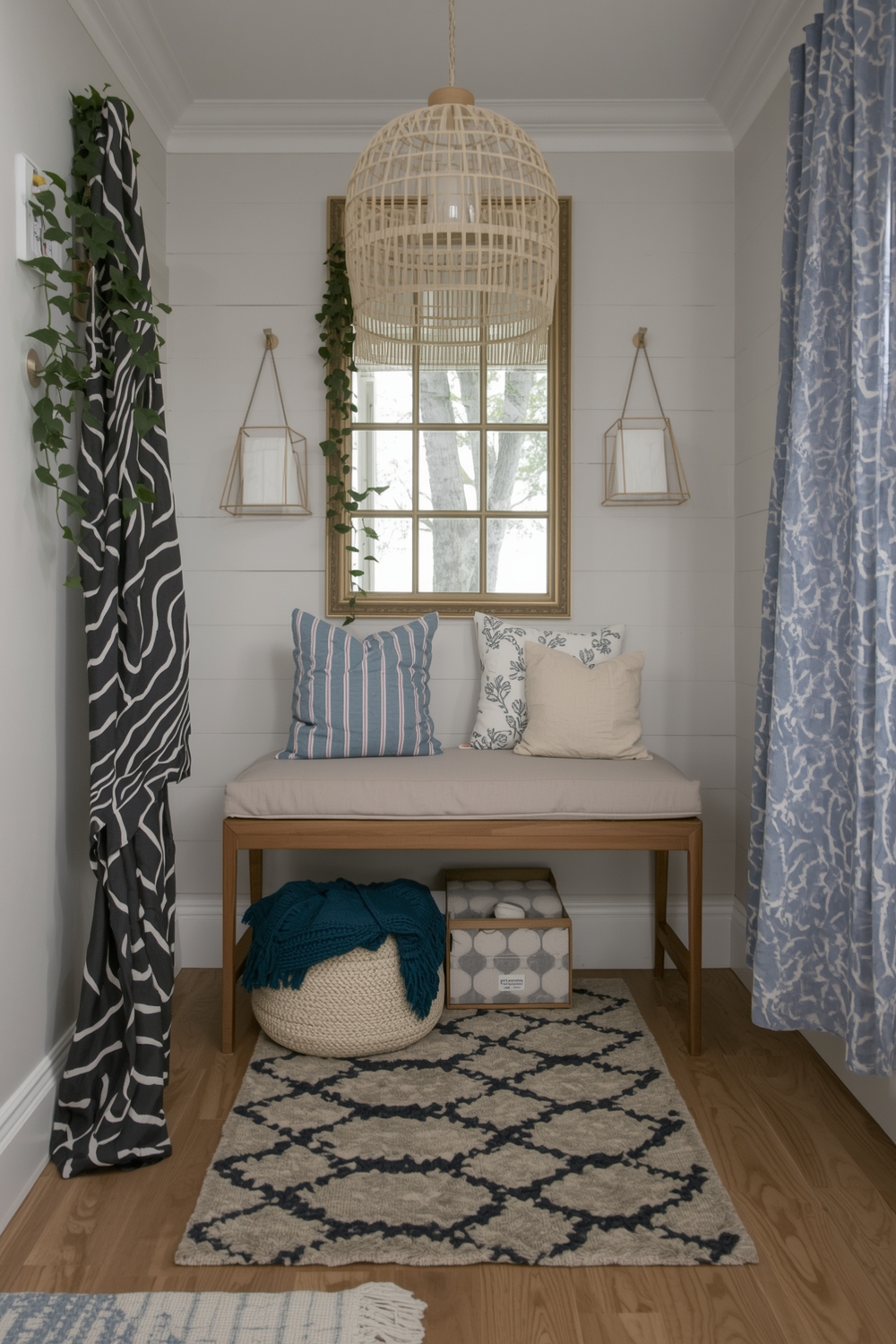
Maximizing every square inch is crucial when designing Small Entryways. Start by identifying underutilized vertical space—wall-mounted hooks, floating shelves, and tall narrow cabinets draw the eye upward while keeping floor space clear. Consider multi-functional furniture pieces like ottomans with hidden storage or slim console tables with drawers. These elements provide practical storage without overwhelming the space. Installing a narrow bench with cubbies underneath creates seating while organizing shoes and accessories. The key to efficient small entryway space planning is editing ruthlessly—display only essential items and create designated zones for keys, mail, and everyday accessories.
Snug Small Entryway Layout Plans
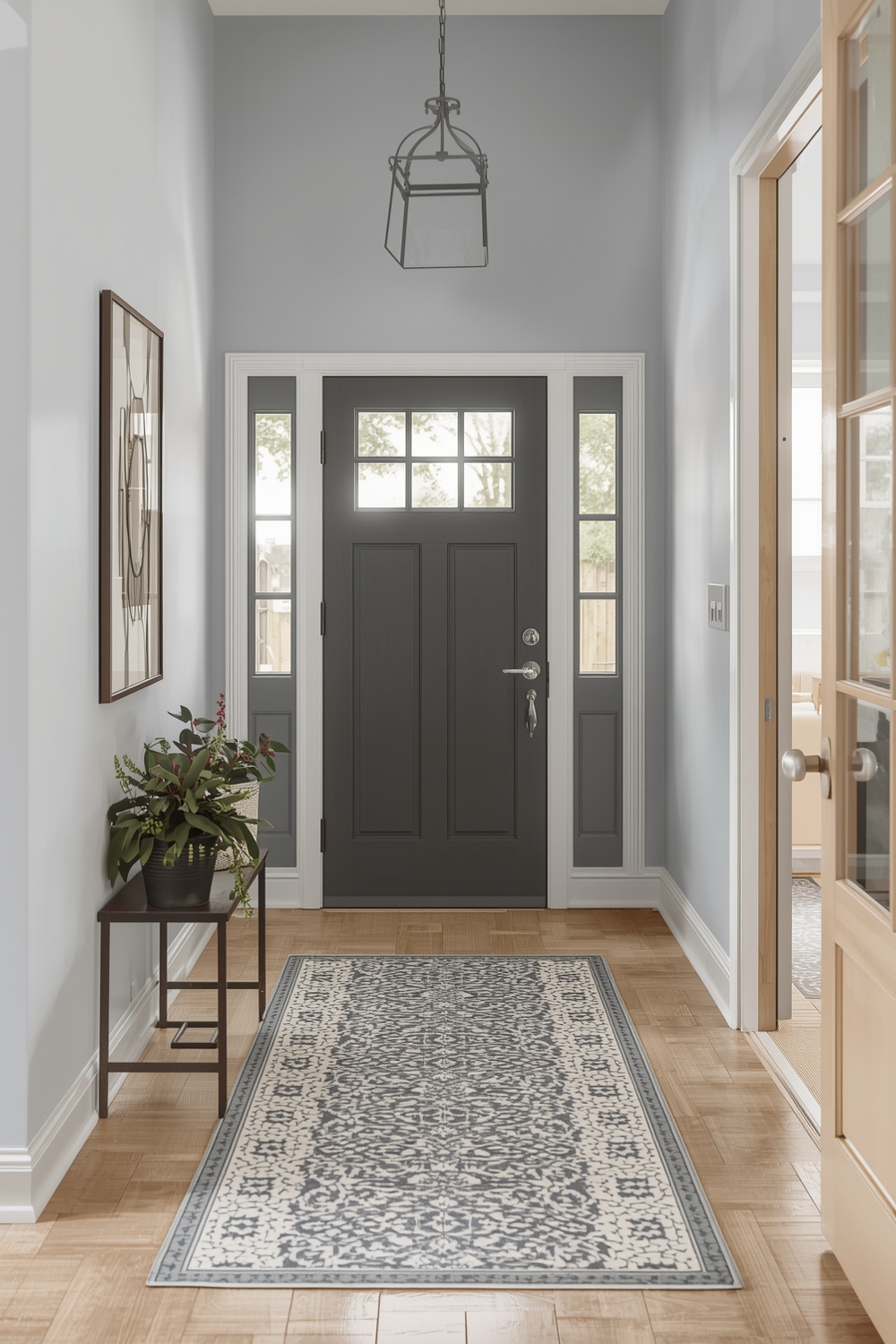
Strategic layout planning makes Small Entryways feel spacious and organized. Position furniture along one wall to maintain clear traffic flow, ensuring guests can enter comfortably without obstacles. Create a visual triangle by placing a mirror, console table, and lighting fixture at different heights. This arrangement adds dimension while serving practical purposes. If space permits, angle a small bench diagonally in a corner to soften sharp edges and create visual interest. Traffic patterns matter significantly in compact spaces. Maintain at least 36 inches of clearance for comfortable movement, and avoid blocking natural pathways with furniture or décor elements.
Essential Small Entryway Design Concepts
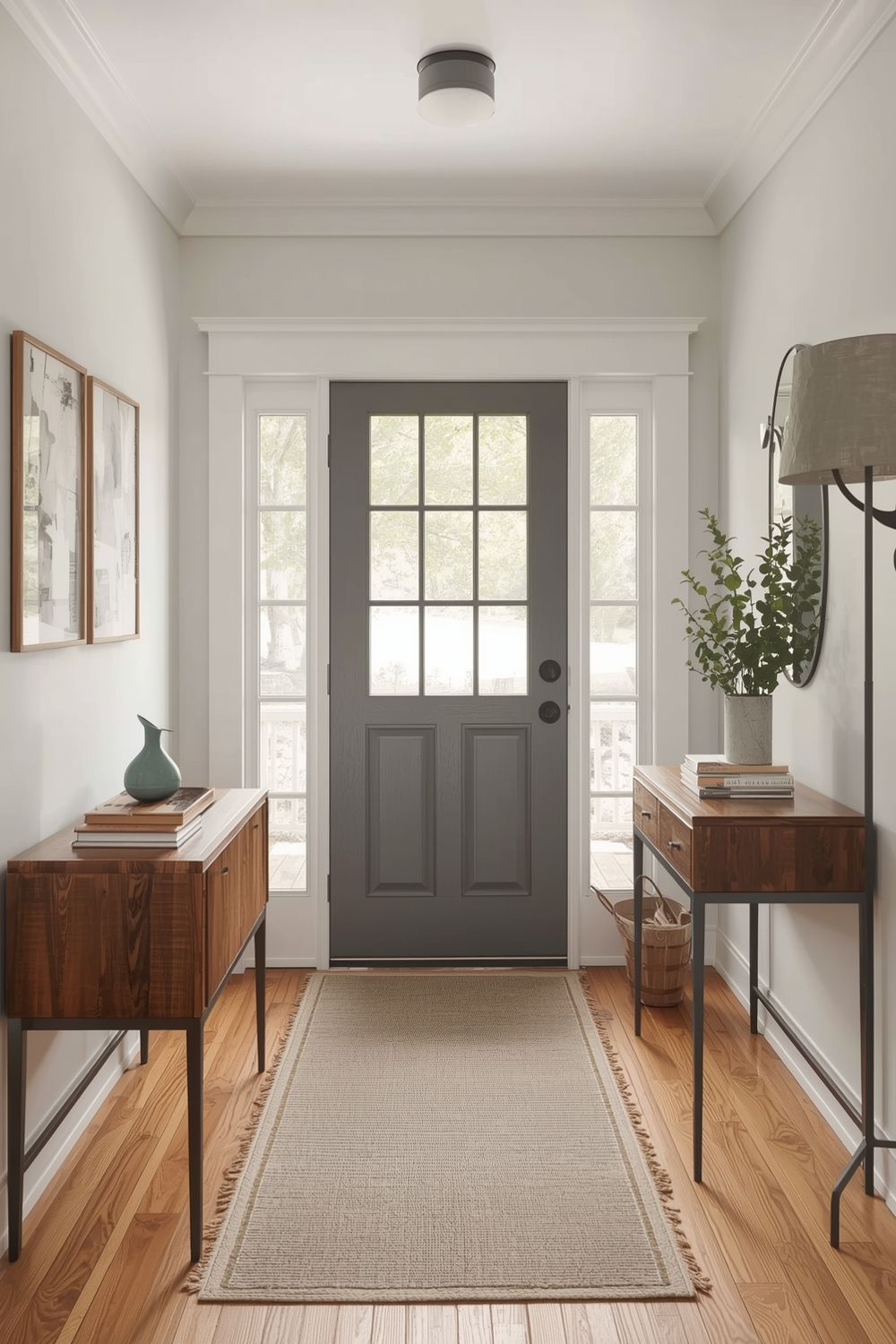
The foundation of successful Small Entryways lies in cohesive design concepts. Choose a unified color palette that flows seamlessly from your entryway into adjacent rooms, creating visual continuity that makes spaces feel larger. Scale matters tremendously—oversized furniture overwhelms compact areas, while appropriately sized pieces maintain proportion. Select streamlined designs with clean lines rather than bulky traditional styles. Incorporate reflective surfaces through mirrors, metallic accents, or glossy finishes to bounce light and create the illusion of expanded space.
Chic Small Entryway Storage Solutions
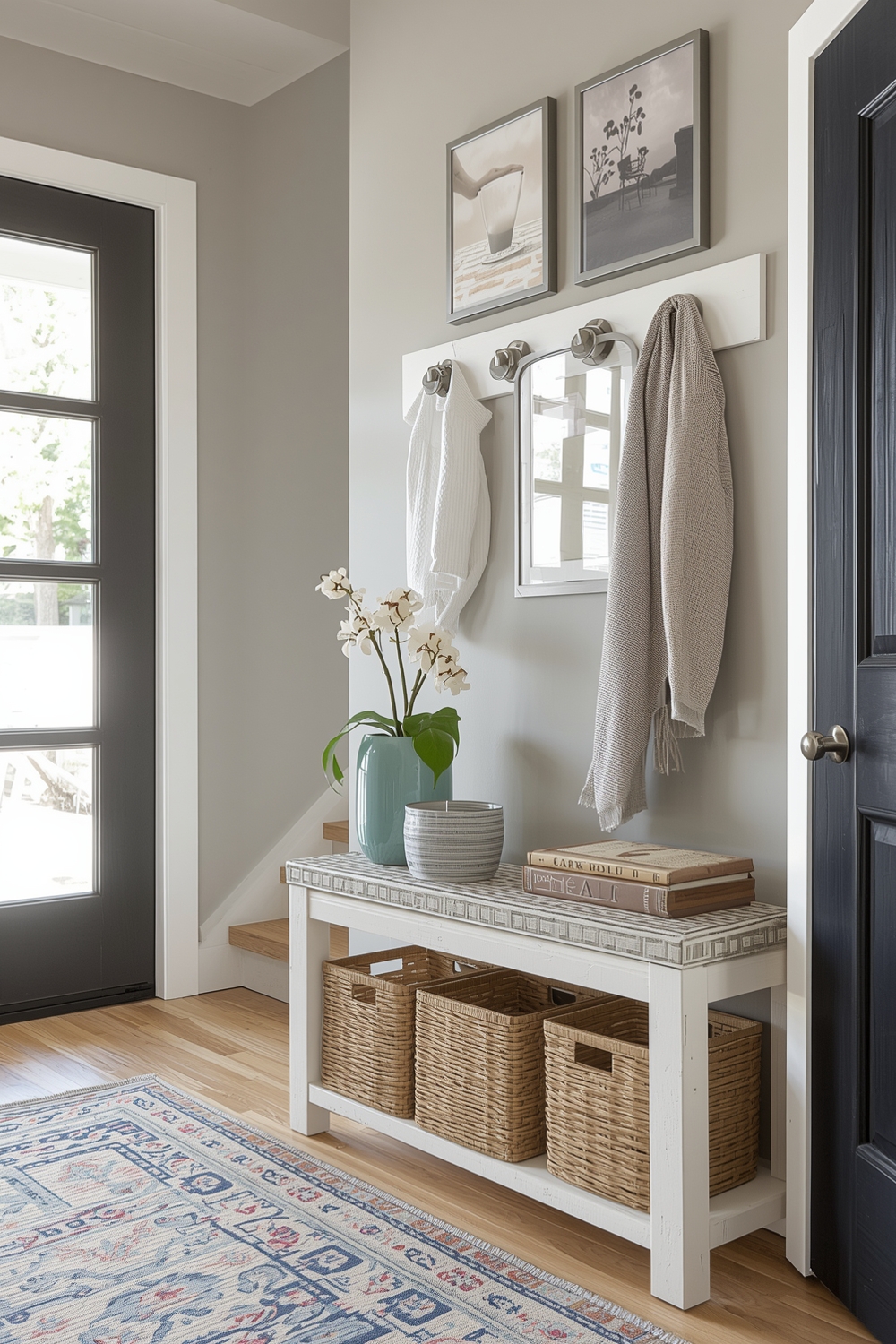
Storage determines whether Small Entryways feel cluttered or composed. Wall-mounted coat racks with individual hooks accommodate multiple family members without consuming floor space. Overhead shelving stores seasonal items like hats and scarves. Consider installing a pegboard system that adapts to changing storage needs—hang baskets, hooks, and small shelves as required. Slim console tables with multiple drawers organize mail, keys, and small accessories while maintaining a sleek profile. Built-in cabinetry maximizes every available inch when budget permits.
Compact Small Entryway Layout Examples
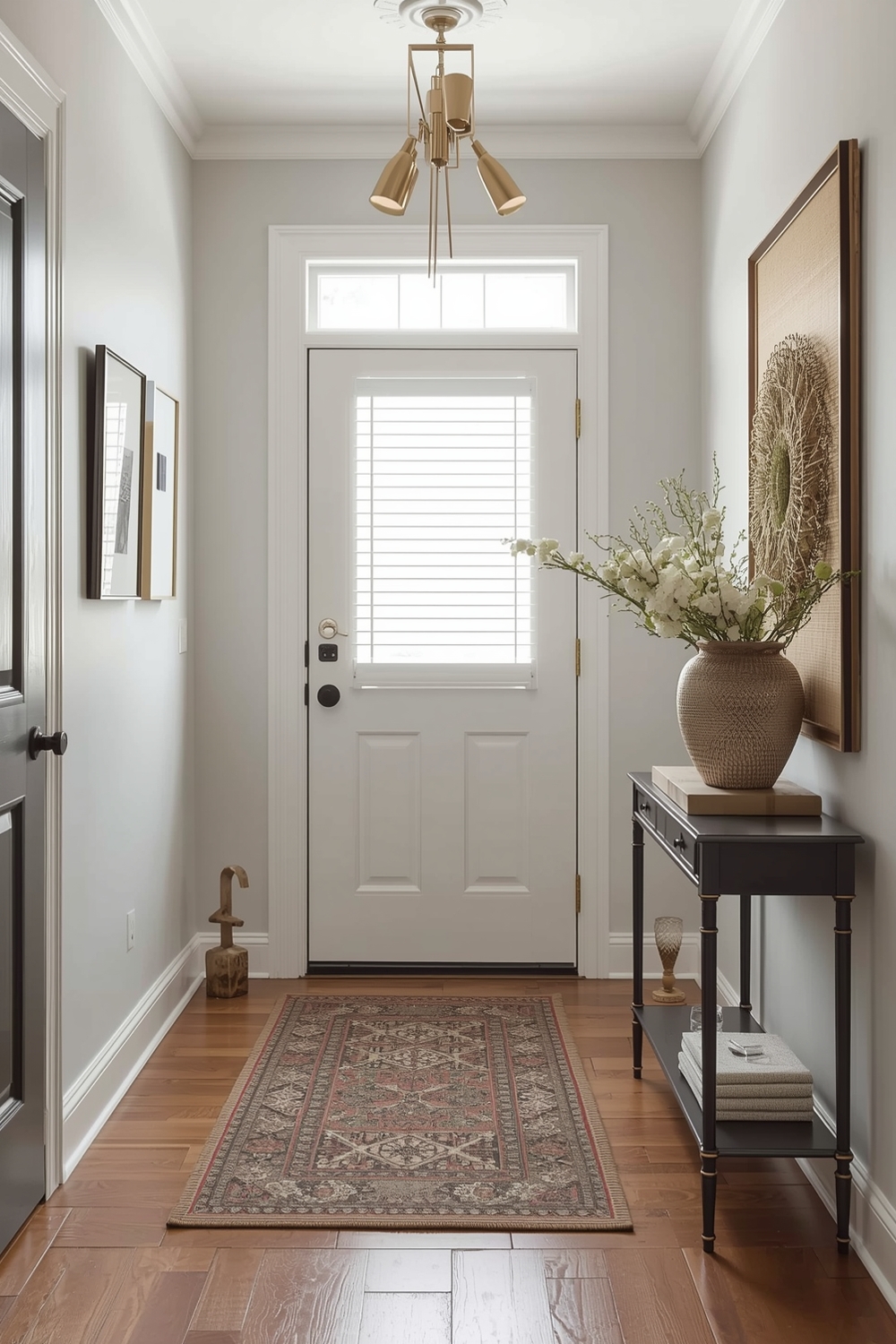
Real-world Small Entryways demonstrate creative layout solutions. A 3-foot-wide hallway benefits from a floating shelf paired with wall hooks underneath, creating storage without protruding furniture. Corner entryways maximize diagonal space with triangle-shaped console tables and corner shelving units. Galley-style layouts position matching elements on opposing walls—a mirror facing a coat rack creates symmetry while serving distinct functions. For extremely tight spaces measuring less than 24 inches wide, skip furniture entirely and focus on wall-mounted solutions. A stylish hook board, small floating shelf, and wall-mounted umbrella stand provide essentials without obstructing pathways.
Organized Small Entryway System Ideas
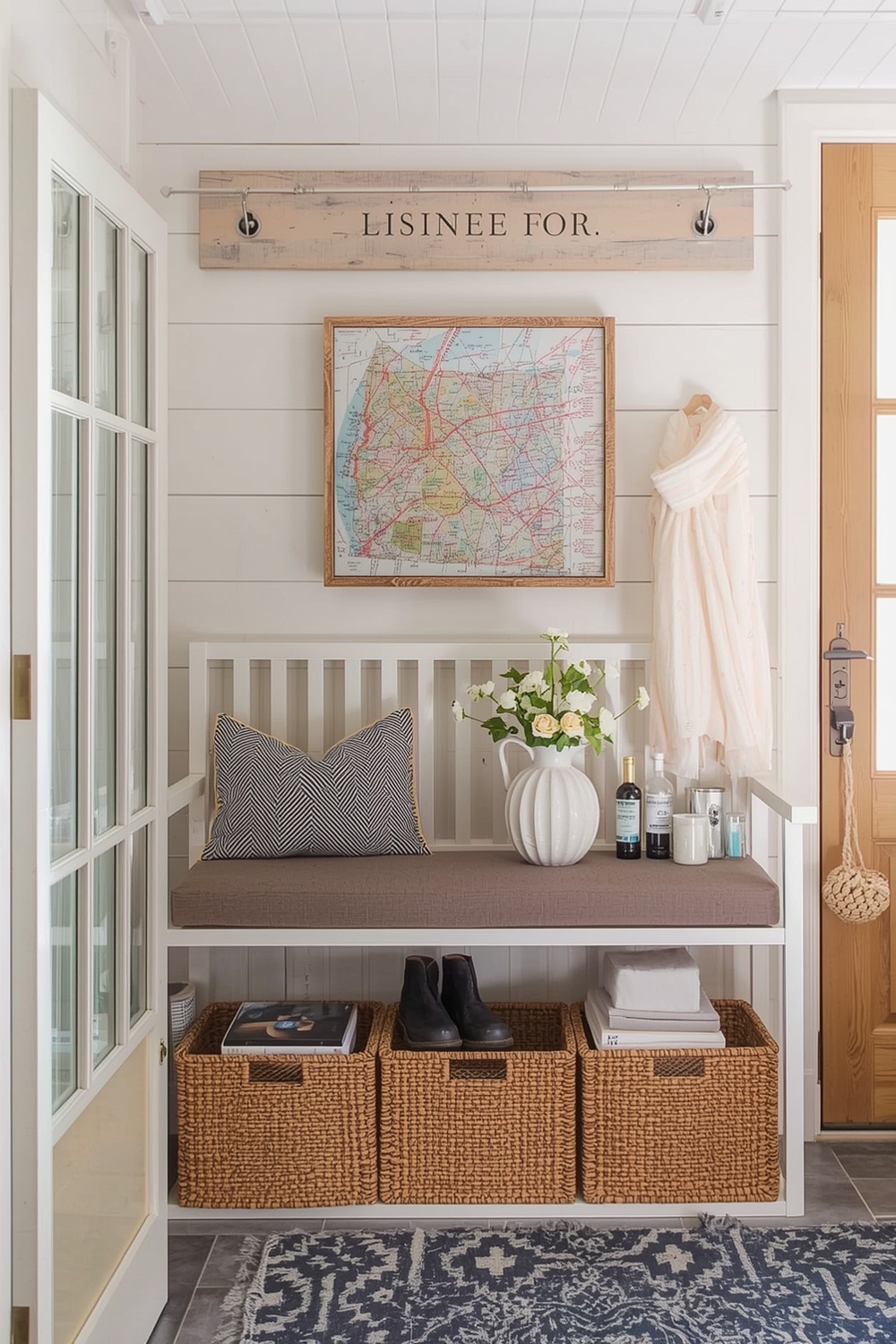
Organizational systems transform chaotic Small Entryways into streamlined spaces. Designate specific zones for different activities—a drop zone for keys and mail, a shoe storage area, and a coat hanging section. Label baskets and bins to maintain organization long-term, especially in family households. Implement a one-in-one-out rule to prevent accumulation. Daily maintenance routines keep systems functional—spend two minutes each evening returning items to their designated spots.
Small Entryway with Built-In Bench Seating
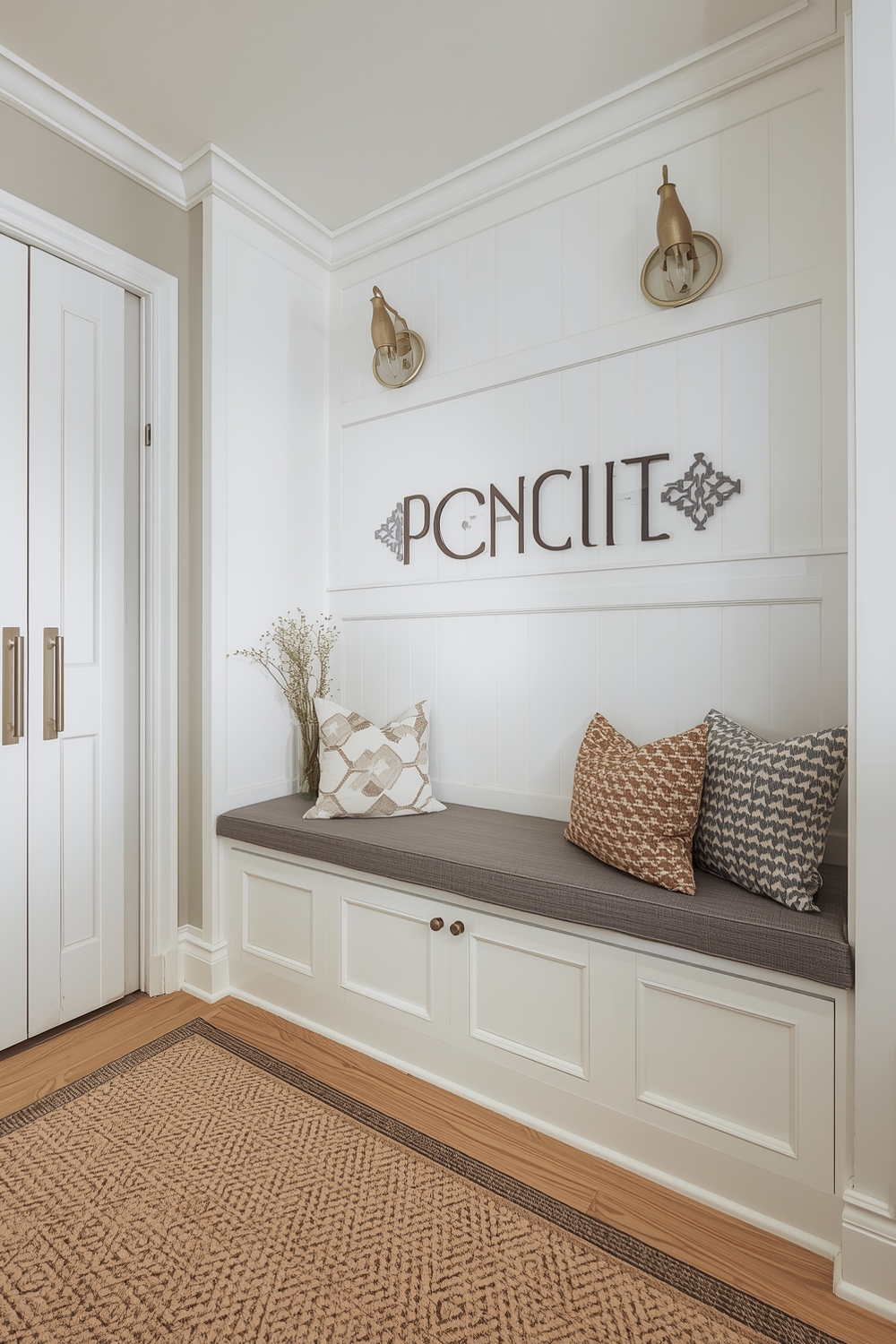
Built-in benches maximize Small Entryways by combining seating and storage. These custom solutions fit perfectly into available spaces, with lift-top seats revealing storage compartments for shoes, pet supplies, or seasonal accessories. Add cushions and decorative pillows to transform functional benches into welcoming focal points. Install hooks or a coat rack directly above the bench for convenient outerwear storage. Beneath the bench, open cubbies or pull-out drawers accommodate additional organizational needs.
Small Entryway Decor Inspiration Galleries
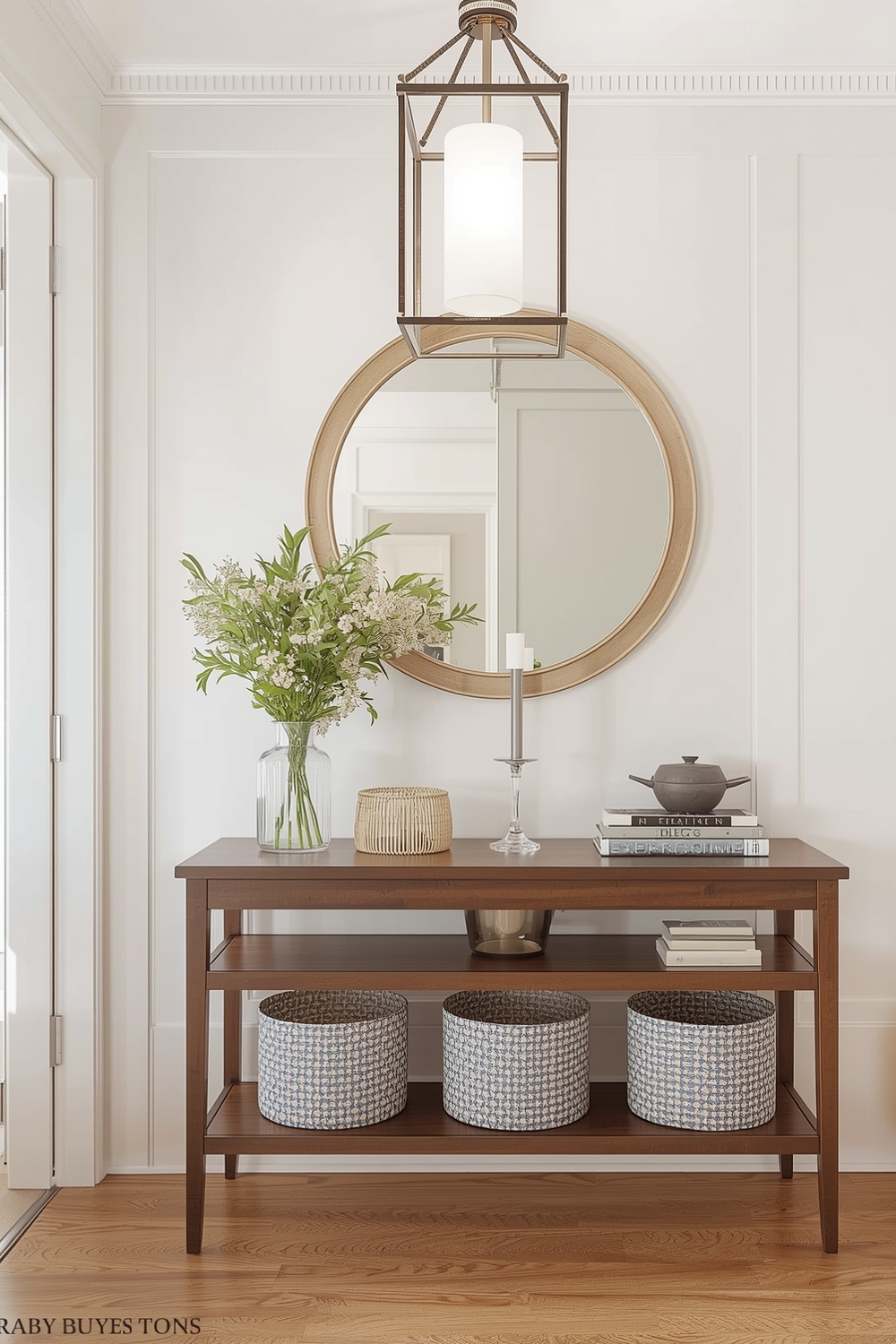
Visual inspiration elevates Small Entryways from purely functional to aesthetically pleasing. Gallery walls featuring family photos, artwork, or decorative mirrors add personality without requiring floor space. Create vignettes on console tables with carefully curated accessories—a stylish tray corrals keys, a small vase holds fresh flowers, and a decorative bowl provides a catch-all solution. Seasonal decorations refresh the space throughout the year without permanent commitment. Choose décor that reflects your personal style while maintaining visual simplicity. Three well-chosen pieces create more impact than numerous small items that generate visual clutter in compact areas.
Bright Small Entryway Design Boards
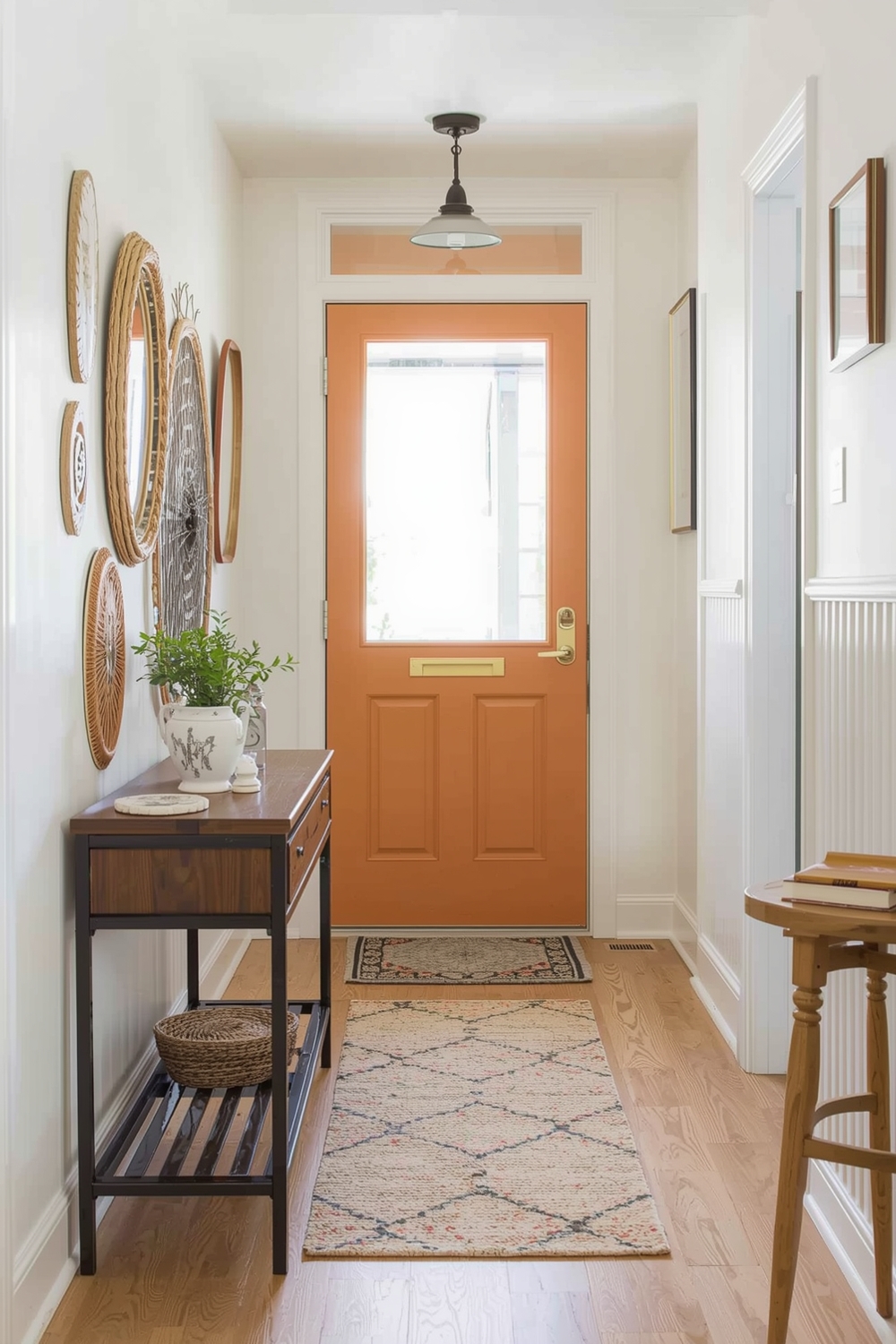
Lighting dramatically impacts how Small Entryways feel. Maximize natural light by keeping windows unobstructed—use sheer curtains or leave them bare. Light paint colors on walls and ceilings reflect available light, making spaces feel airy. Layer artificial lighting with overhead fixtures, wall sconces, and table lamps on console tables. Bright LED bulbs in warm tones create welcoming ambiance without harsh shadows. Consider installing dimmer switches to adjust lighting based on time of day.
Open Concept Small Entryway Ideas
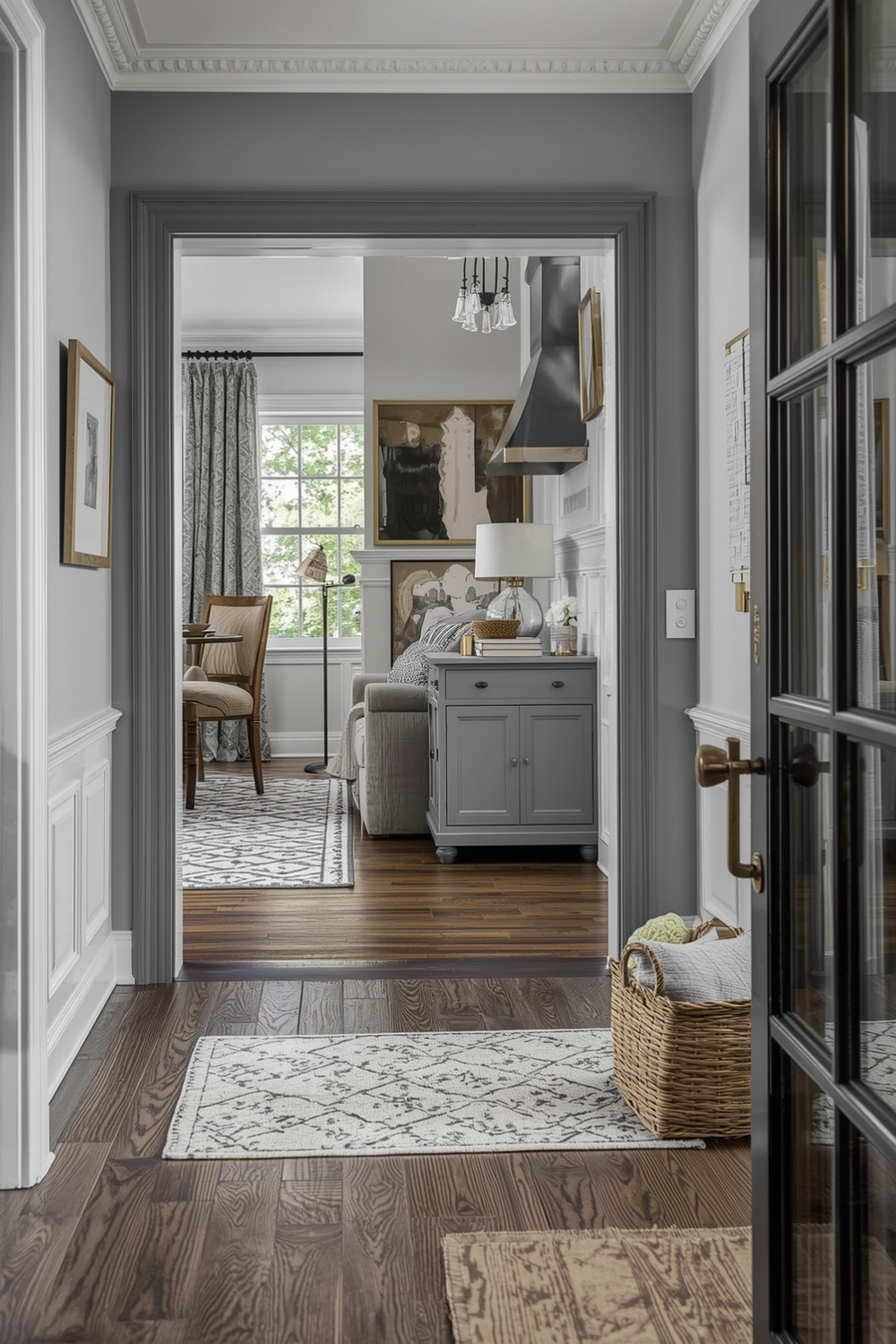
Open concept Small Entryways that flow into living areas require thoughtful definition without physical barriers. Use area rugs to visually distinguish the entry zone from adjacent spaces. Console tables perpendicular to walls create subtle boundaries while maintaining openness. Color blocking defines zones—paint the entry area a complementary shade that coordinates with but differs slightly from connecting rooms. Overhead lighting positioned directly over the entry area establishes clear spatial definition while maintaining visual flow.
Efficient Small Entryway Layout Guides
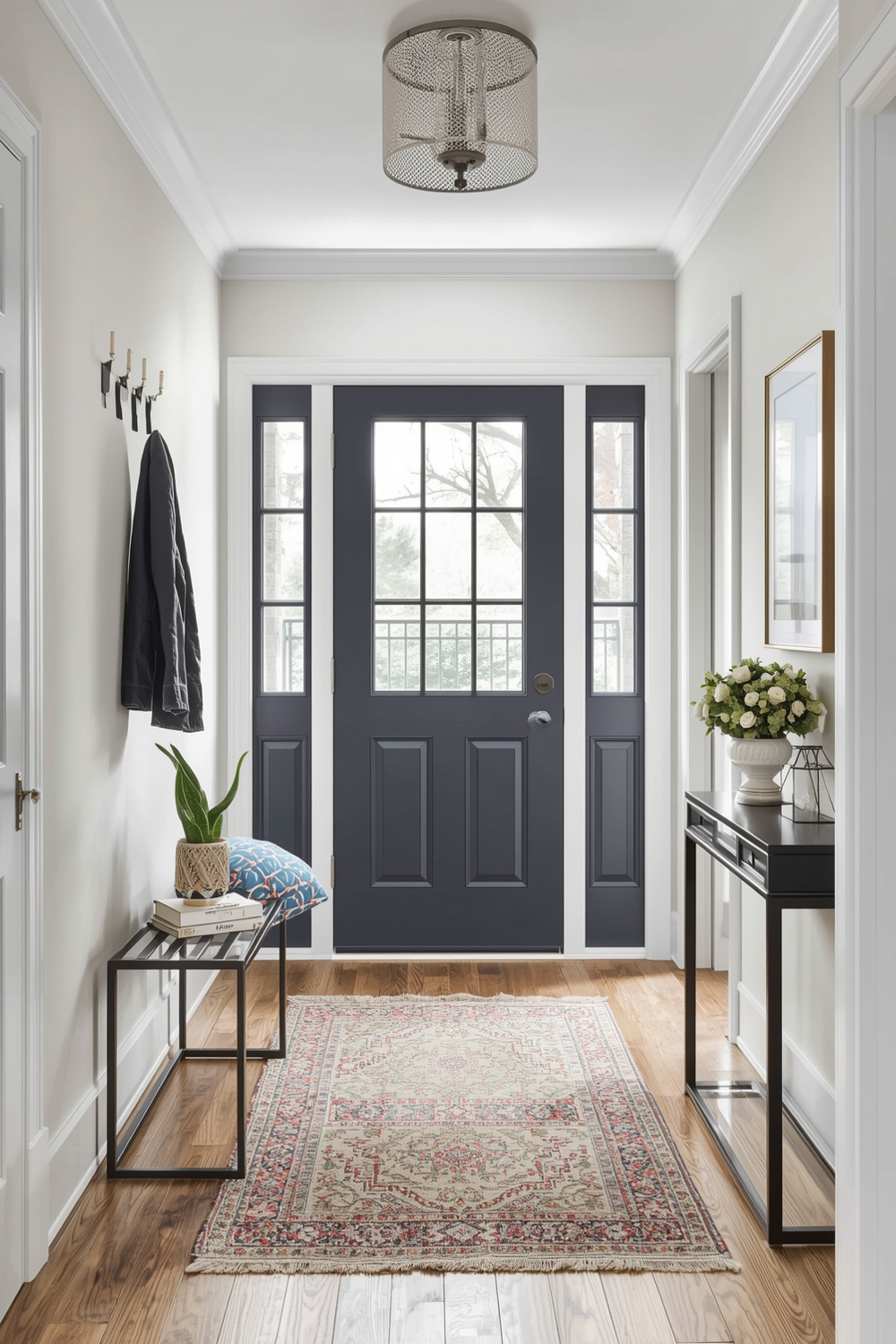
Planning efficient layouts for Small Entryways begins with accurate measurements. Document wall lengths, ceiling heights, and door swing radiuses before selecting furniture. Create a scaled floor plan to test furniture arrangements virtually before committing. Maintain proportion by following the two-thirds rule—furniture should occupy no more than two-thirds of available wall length, leaving adequate circulation space. Position the largest element first, then add complementary pieces. Test traffic flow by walking through the planned layout, ensuring comfortable passage even when carrying groceries or packages.
Small Entryway Lighting Idea Collections
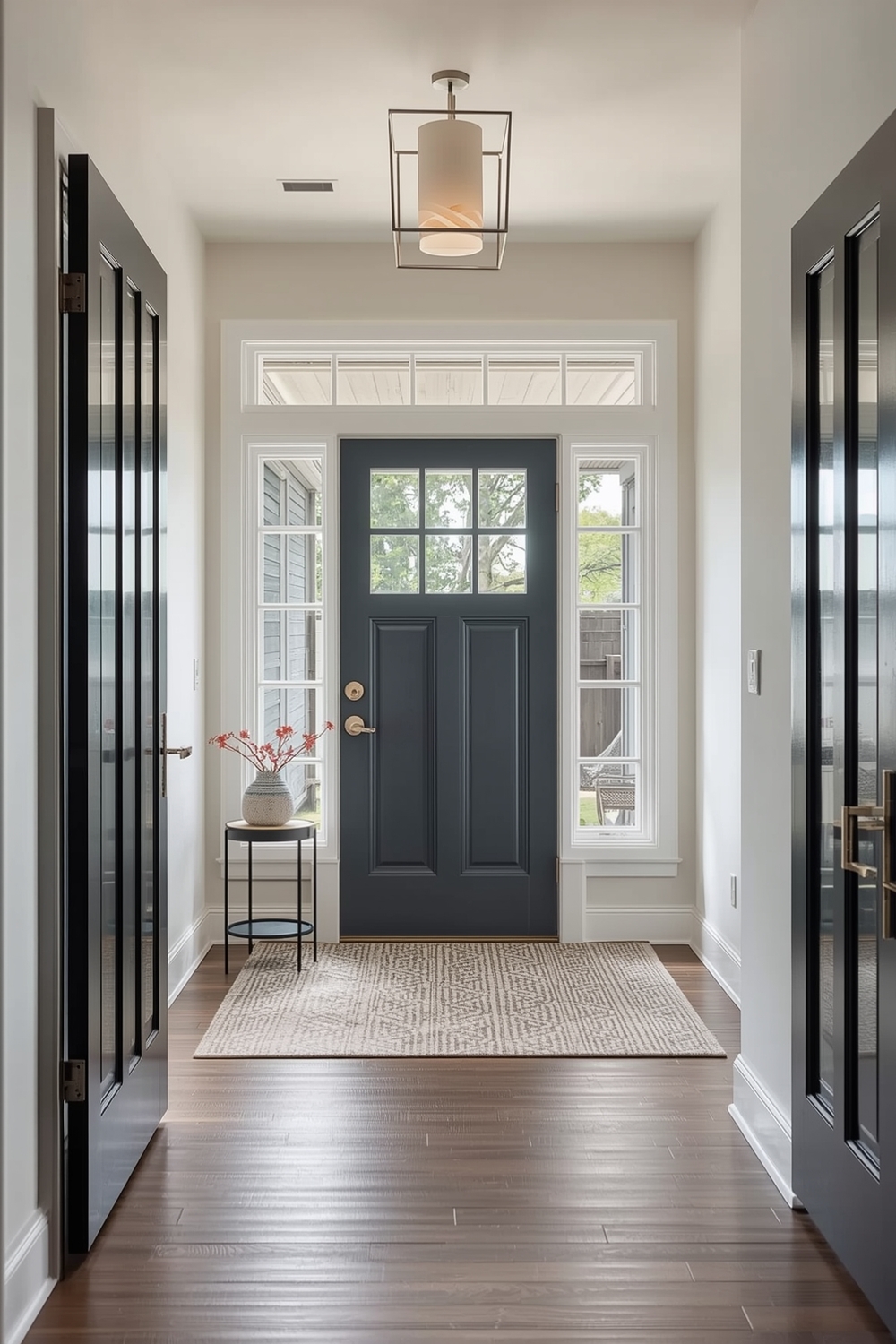
Strategic lighting transforms Small Entryways from dark and cramped to bright and welcoming. Statement pendant lights draw eyes upward, creating the illusion of height. Wall sconces flanking mirrors provide flattering illumination while adding architectural interest. Motion-activated LED strip lights installed under benches or shelves offer practical task lighting without switches. Consider adding battery-operated picture lights to highlight artwork or decorative elements. Mix ambient, task, and accent lighting to create depth and dimension. Warm color temperatures (2700K-3000K) feel more inviting than cool white bulbs in residential entryways.
Small Entryway with Recessed Shelves
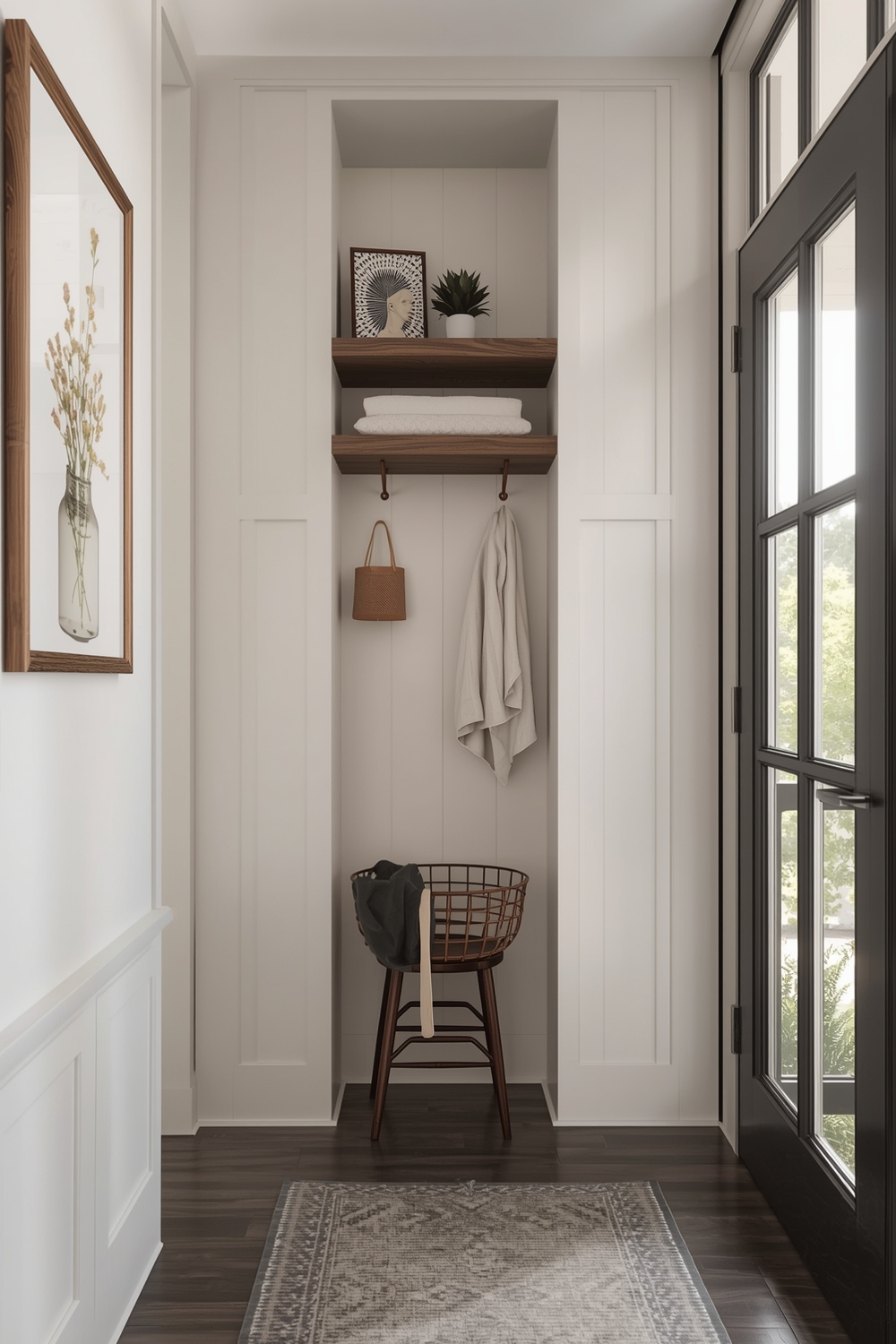
Recessed shelving maximizes Small Entryways by utilizing wall depth instead of protruding into pathways. Built into walls between studs, these shelves store keys, display decorative objects, or organize mail without consuming precious floor space. Paint recessed shelves in contrasting colors to create architectural interest and visual depth. Install small spotlights within recesses to highlight displayed items. Combine open recessed shelves with closed cabinets for versatile storage that accommodates both decorative and practical needs.
Chic Small Entryway Accent Details
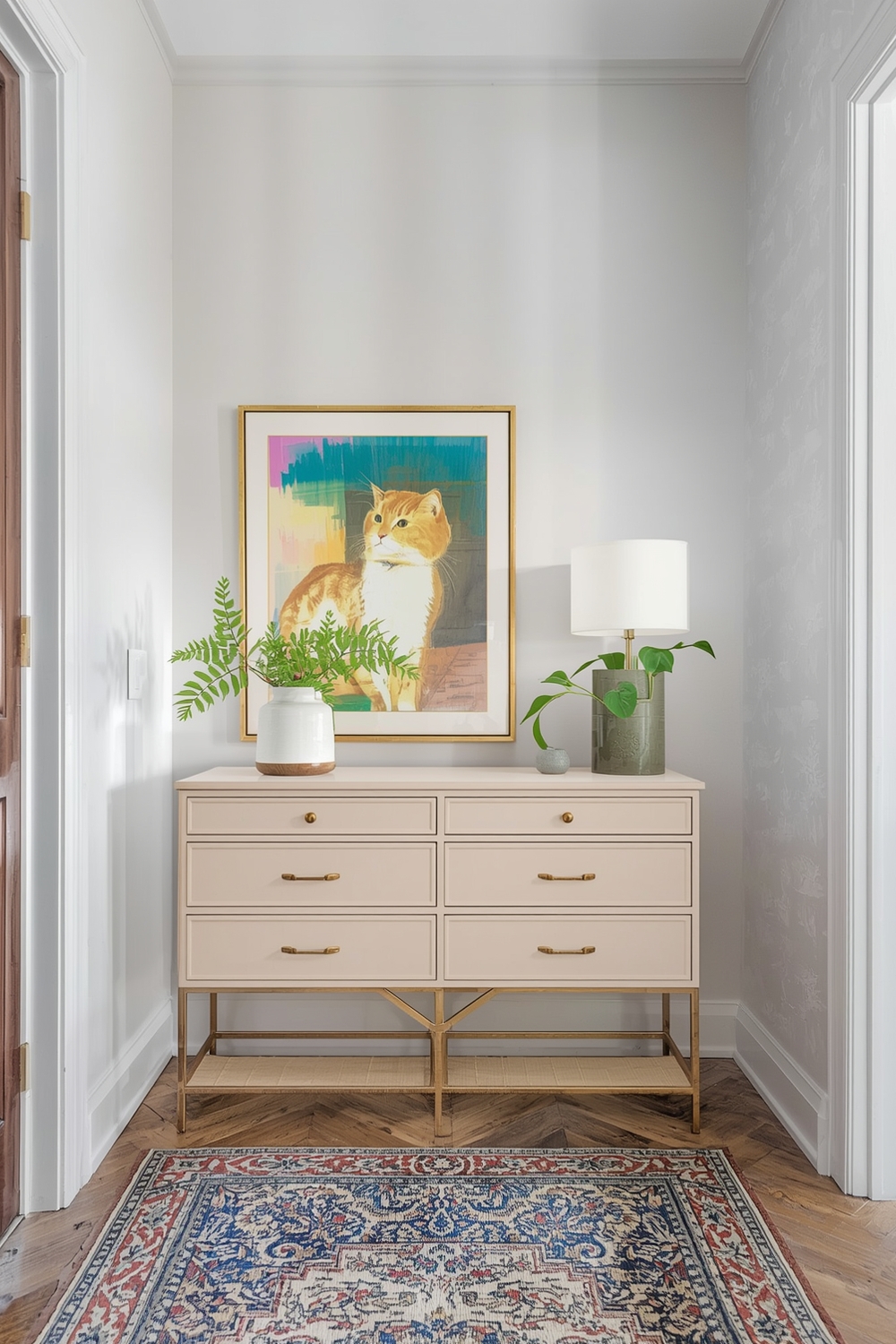
Thoughtful accents elevate Small Entryways from basic to beautiful. Statement mirrors with decorative frames serve as functional focal points while reflecting light. Stylish hardware on coat hooks and cabinet pulls adds personality through metallic finishes like brass, matte black, or brushed nickel. Introduce texture through woven baskets, natural fiber rugs, or upholstered bench cushions. Fresh greenery—whether potted plants or simple floral arrangements—brings life to compact spaces without permanent commitment.
Small Entryway Color Palette Inspirations
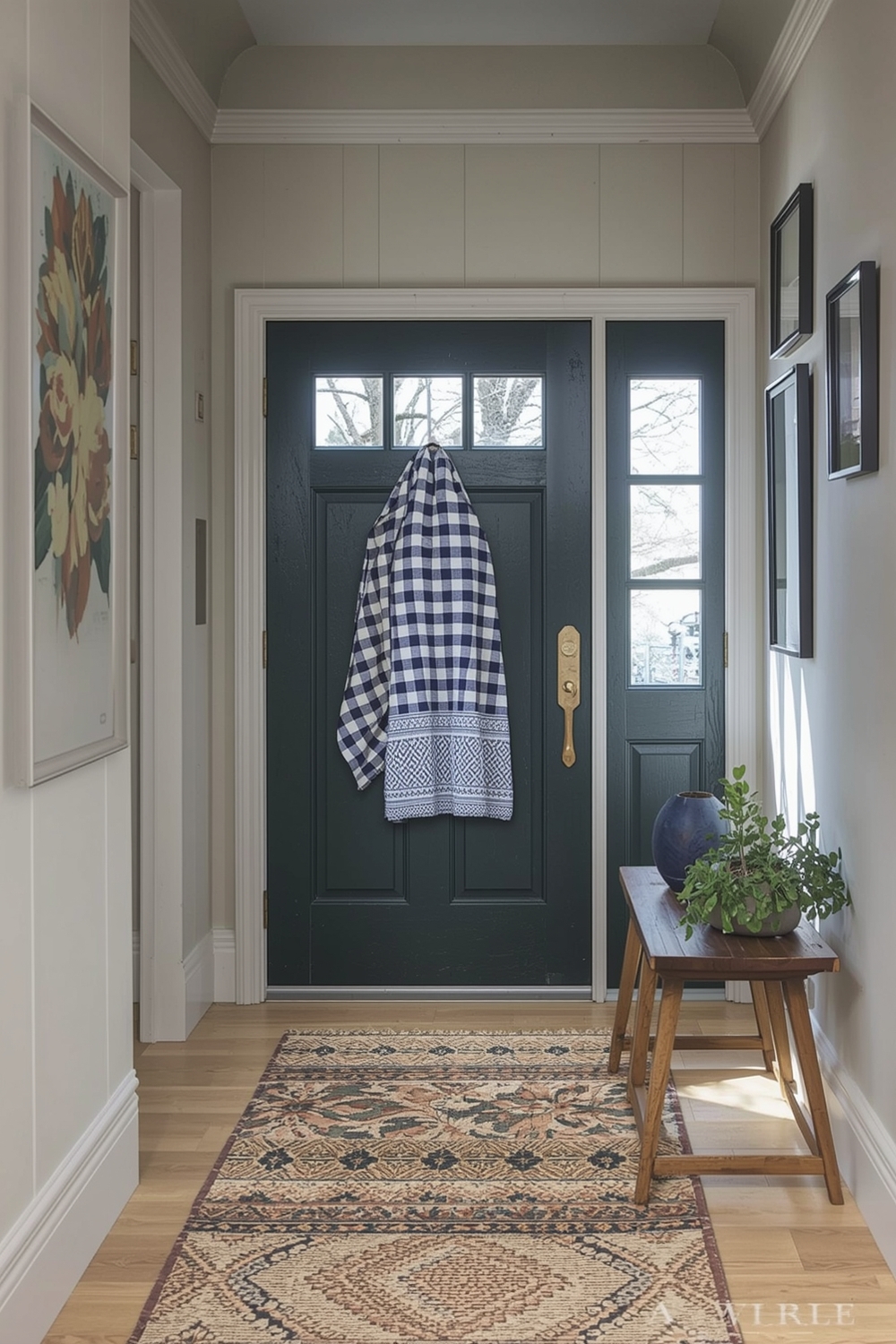
Color selection dramatically affects how Small Entryways feel. Light neutrals like warm whites, soft grays, and beiges create airy, expansive feelings. Monochromatic schemes using varying shades of one color add sophistication without visual fragmentation. Bold accent walls in deep blues, charcoal grays, or forest greens create drama when balanced with lighter surrounding walls. Coordinate floor colors with walls—light wood tones or pale tiles enhance brightness, while darker floors ground spaces and hide dirt in high-traffic areas. Introduce color through accessories rather than permanent finishes for flexibility—swap pillows, artwork, and decorative objects seasonally to refresh the space without major investment.
How This Idea Improves Your Space
Implementing these seventeen design strategies transforms cramped, chaotic entryways into functional, welcoming spaces. Proper organization reduces daily stress by creating designated homes for essential items. Thoughtful lighting and color choices make small areas feel significantly larger and more inviting. Well-designed entryways improve home value by creating strong first impressions. They set the aesthetic tone for your entire home while providing practical benefits that simplify daily routines for everyone in the household.
Budget-Friendly Tips
Transform your entryway affordably by shopping secondhand for console tables and benches, then refreshing with paint. DIY floating shelves cost minimal amounts compared to custom built-ins. Repurpose items from other rooms—a narrow bookshelf becomes entryway storage, vintage crates mounted on walls provide cubbies. Focus investments on impactful elements like lighting and mirrors that deliver maximum visual return.
Conclusion
Creating hospitable small entryways requires strategic planning, creative storage solutions, and thoughtful design choices. By maximizing vertical space, incorporating multi-functional furniture, and maintaining cohesive aesthetics, even the most compact entries become warm, organized welcomes to your home. Implement these seventeen design concepts to transform your small entryway into a space that’s both beautiful and brilliantly functional.
FAQs
What’s the minimum width needed for a functional small entryway? A minimum width of 36 inches allows comfortable traffic flow, though narrower spaces can work with wall-mounted solutions instead of furniture. How can I make my small entryway look bigger? Use large mirrors, light paint colors, adequate lighting, and minimal furniture to create the illusion of expanded space. What’s the most important element in a small entryway? Storage solutions are most critical—they prevent clutter accumulation that makes small spaces feel chaotic and cramped. Should I use wallpaper in a small entryway? Yes, strategic wallpaper adds personality and visual interest—vertical stripes create height illusions, while light patterns add texture without overwhelming. How do I organize a small entryway with no closet? Combine wall-mounted coat hooks, a storage bench with cubbies, floating shelves, and a slim console table with drawers to replace closet functionality.