Introduction
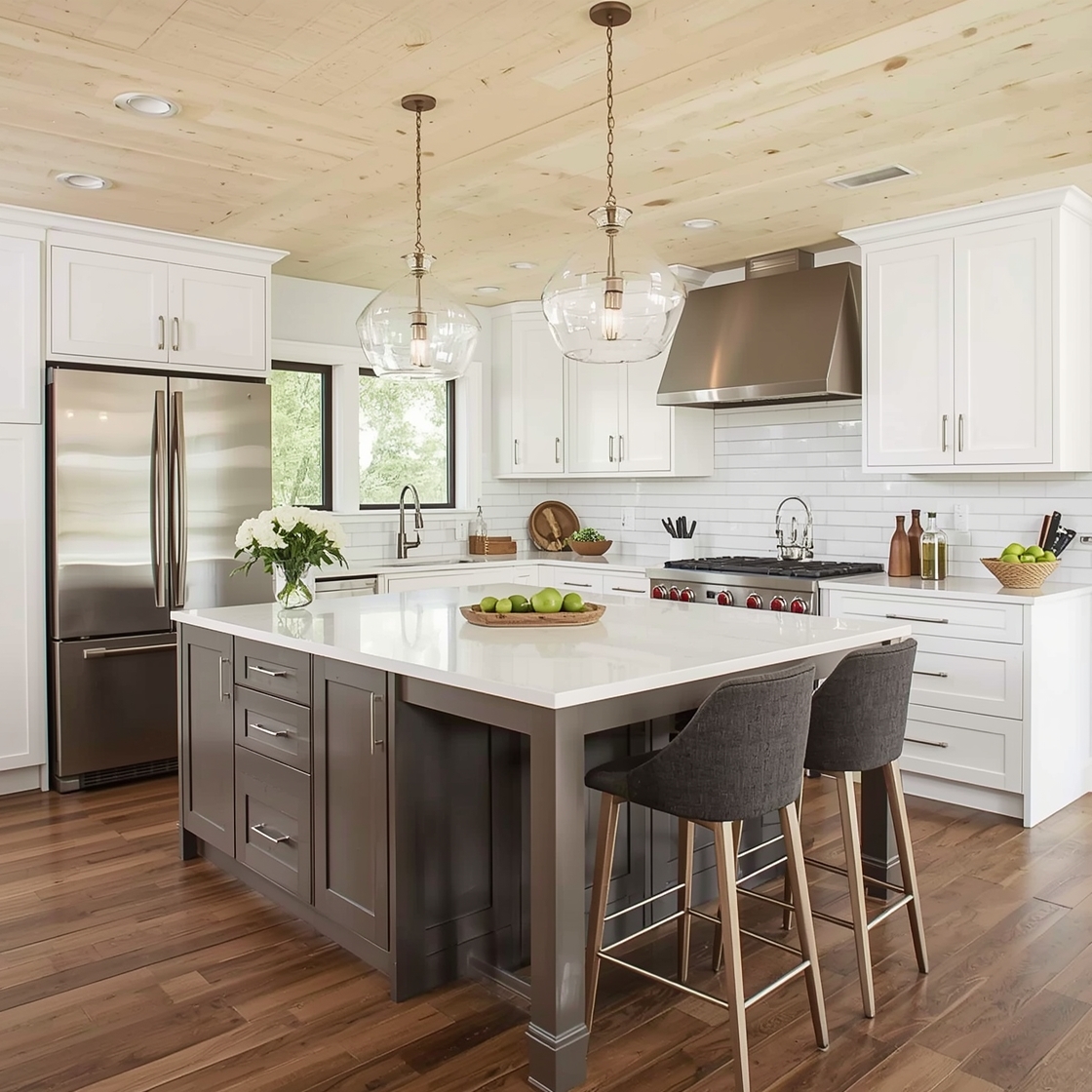
A kitchen island transforms your cooking space from ordinary to extraordinary while adding valuable functionality. Whether you’re planning a complete kitchen renovation or simply looking to upgrade your existing layout, the right island design can revolutionize how you use your kitchen. From rustic farmhouse styles to sleek modern designs, kitchen island ideas offer endless possibilities for creating a space that reflects your personal style while meeting your practical needs. This comprehensive guide presents 15 practical and chic plans to inspire your next kitchen project.
Kitchen Island Ideas for Fashionable and Functional Kitchens
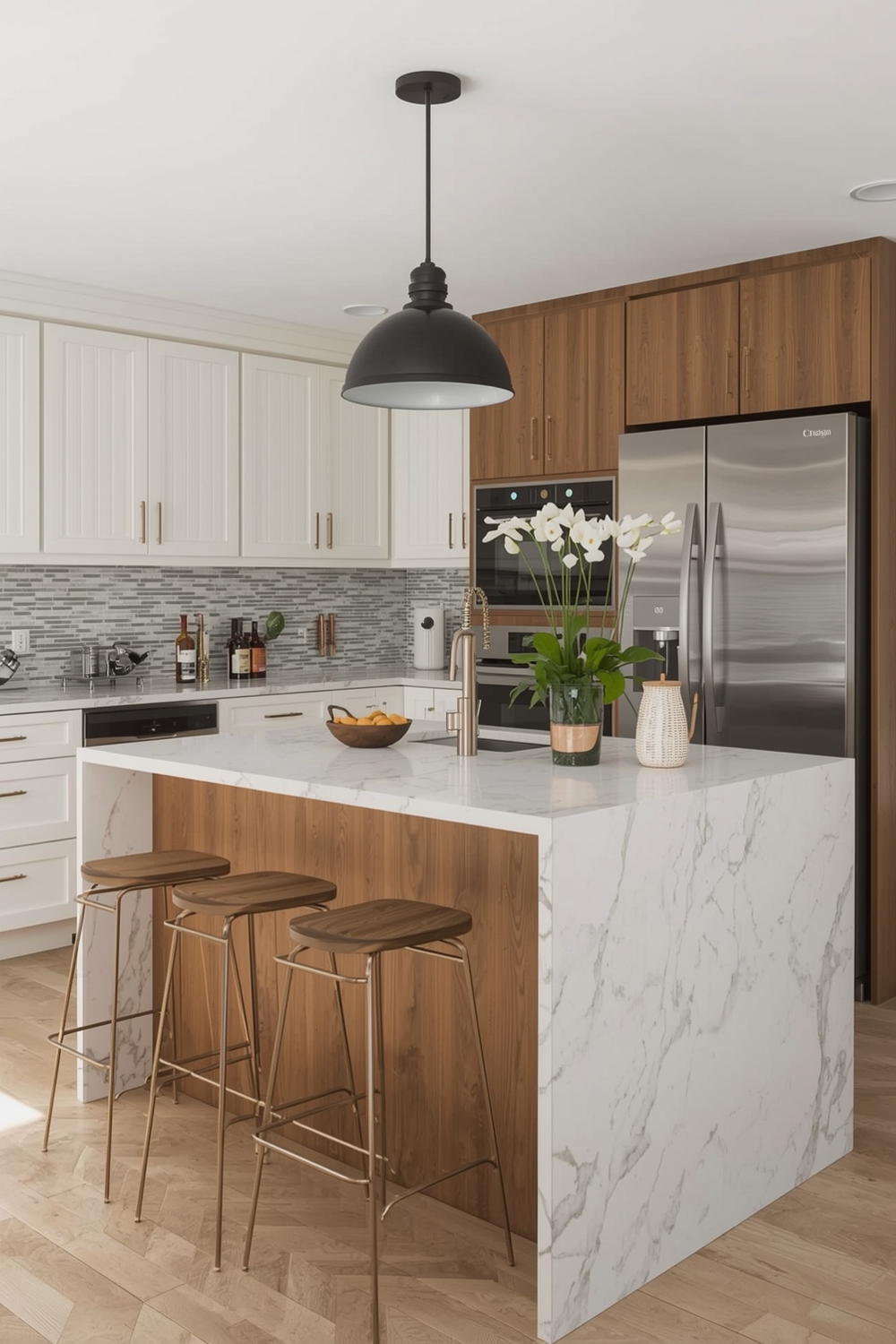
Creating a fashionable yet functional kitchen island requires balancing aesthetics with practical considerations. Modern island designs incorporate multiple purposes—from food preparation and dining to storage and entertaining. Consider your kitchen’s workflow when planning your island placement. The classic work triangle between sink, stove, and refrigerator should guide your design decisions. Popular configurations include L-shaped islands for corner kitchens, rectangular islands for galley layouts, and circular islands for spacious open-concept areas. Material selection plays a crucial role in both functionality and style. Butcher block countertops bring warmth and are ideal for food prep, while marble or quartz offers elegance and durability. Your island should complement your existing cabinetry while potentially serving as a statement piece.
Current Kitchen Island Design Galleries
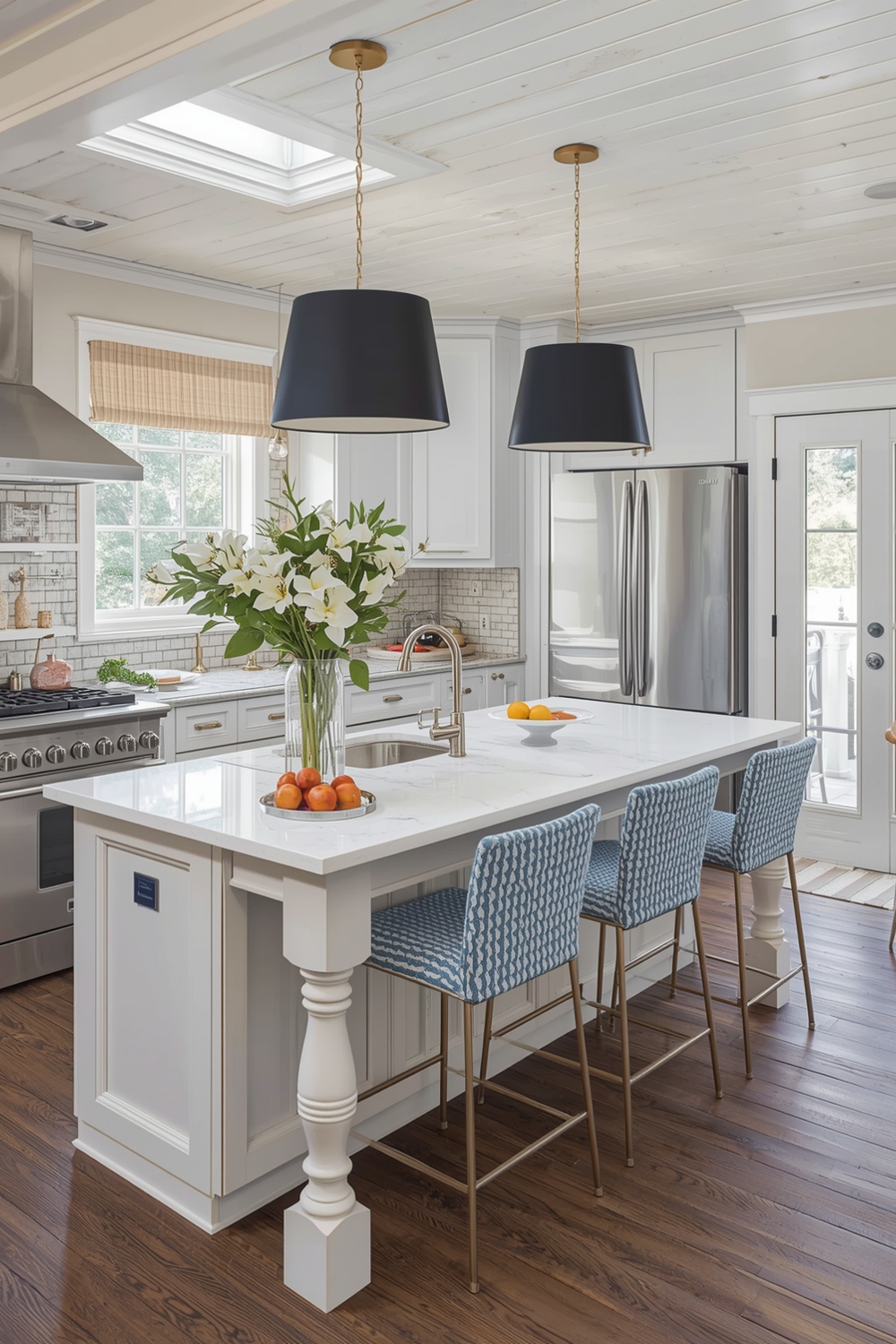
Today’s kitchen island ideas showcase minimalist designs with clean lines and integrated appliances. Contemporary trends favor waterfall countertops that cascade down the sides, creating a seamless, sophisticated appearance. Two-tone color schemes remain popular, with islands in contrasting colors or finishes from surrounding cabinetry. Navy blues, deep greens, and charcoal grays provide dramatic focal points against lighter perimeter cabinets. Mixed materials—combining wood, metal, and stone—add textural interest and visual depth. Smart technology integration is increasingly common, with built-in charging stations, pop-up electrical outlets, and even touchscreen recipe displays becoming standard features in modern island designs.
Chic Kitchen Island Layout Examples
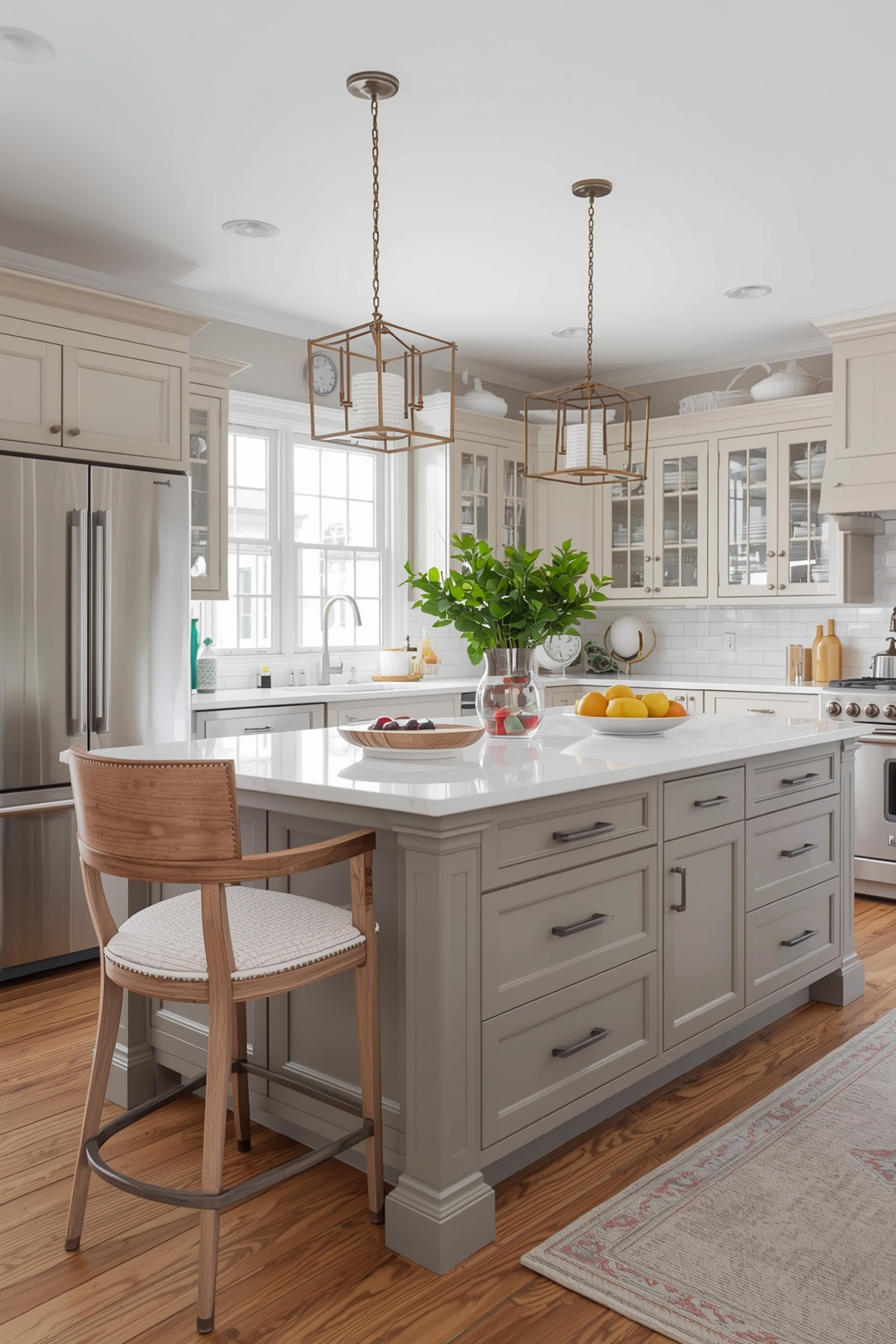
Chic kitchen island layouts prioritize both beauty and ergonomics. The peninsula island connects to existing cabinetry, maximizing space in smaller kitchens while maintaining an open feel. T-shaped and L-shaped configurations create natural zones for different activities. One section might feature a cooktop while another provides seating, effectively dividing tasks without physical barriers. Floating islands, unattached to walls or cabinetry, work beautifully in large, open-concept spaces, establishing the kitchen as a distinct area while maintaining visual flow throughout the home.
Efficient Kitchen Island Concept Ideas
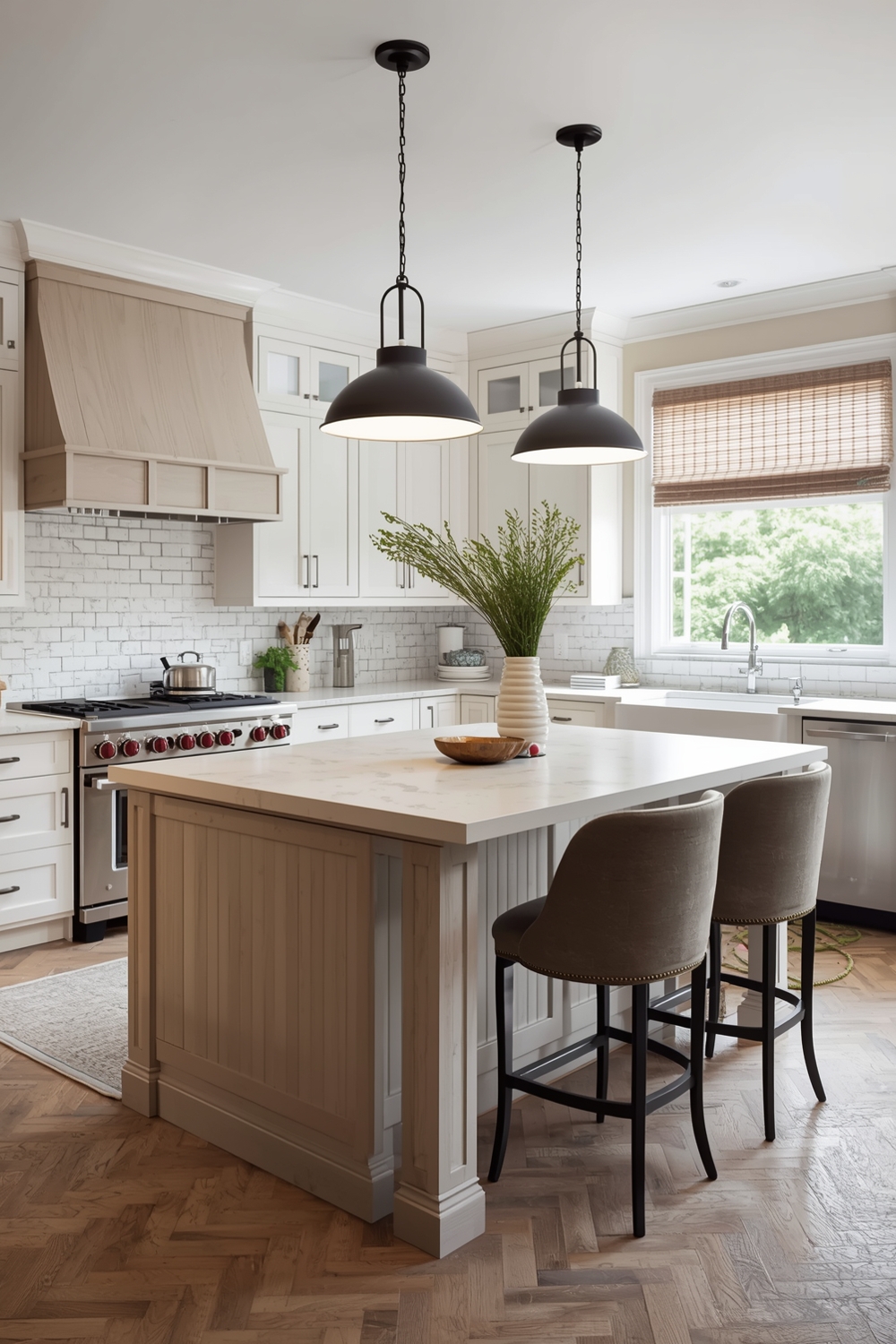
Efficiency-focused island concepts maximize every square inch. Compact islands measuring just 24 inches wide can fit narrow kitchens while still providing additional counter space and storage underneath. Rolling cart islands offer ultimate flexibility, moving wherever needed and tucking away when not in use. For families who cook together, expanded islands with multiple work zones allow several people to prep simultaneously without crowding. Include task-specific features like built-in cutting boards, compost bins, or knife storage to streamline your cooking process and keep essential tools within easy reach.
Essential Kitchen Island Design Inspirations
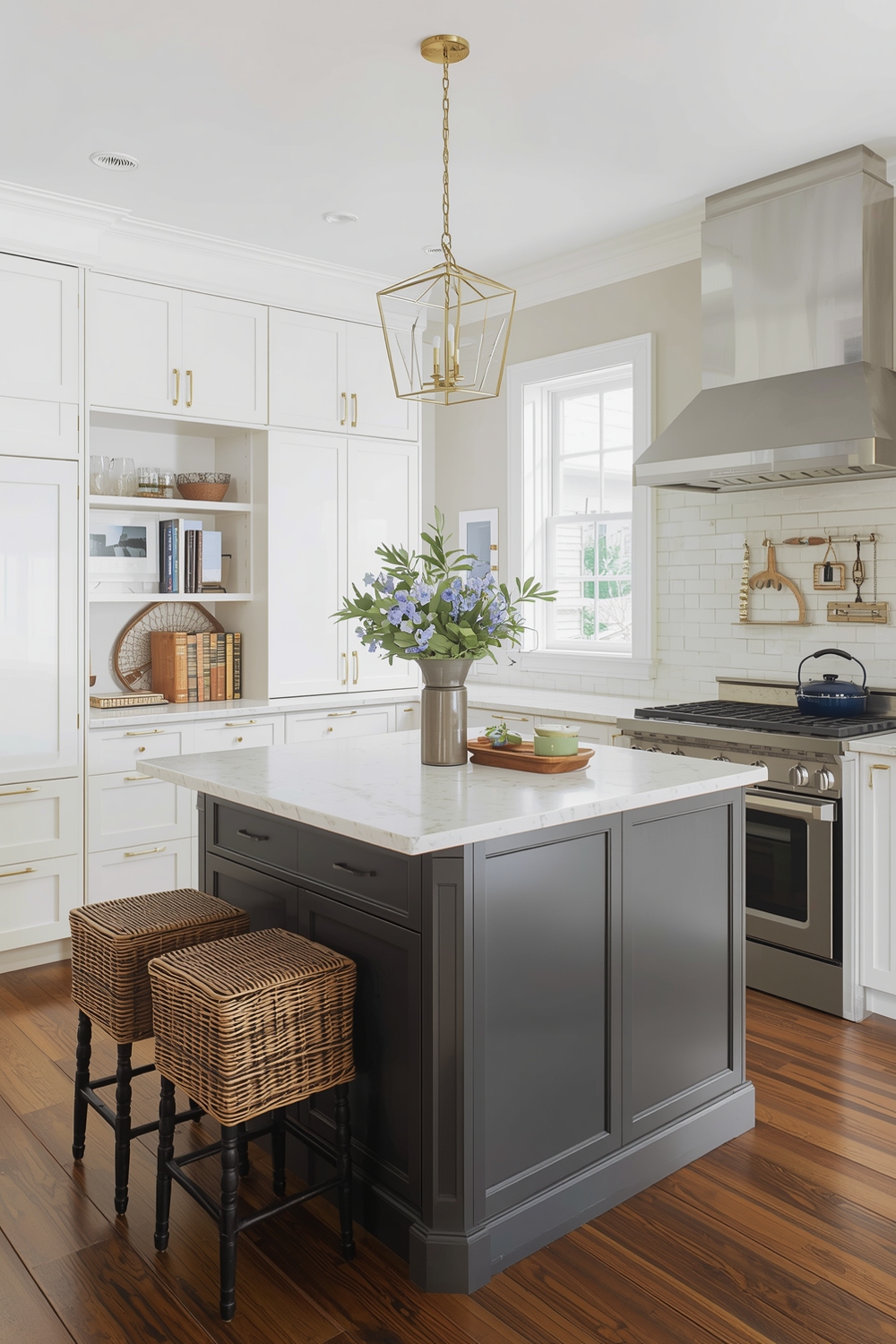
Essential kitchen island elements include adequate clearance space—maintain at least 36-48 inches around all sides for comfortable movement. Height matters too; standard counter height (36 inches) works for food prep, while bar height (42 inches) suits seating areas. Incorporate a mix of open and closed storage. Open shelving displays beautiful dishware or cookbooks, while closed cabinets conceal less attractive necessities. Deep drawers accommodate pots, pans, and small appliances, keeping countertops clear. Consider adding a prep sink to your island, especially if your main sink is located elsewhere. This feature proves invaluable when multiple cooks share the space or during party preparations.
Contemporary Kitchen Island Layout Guides
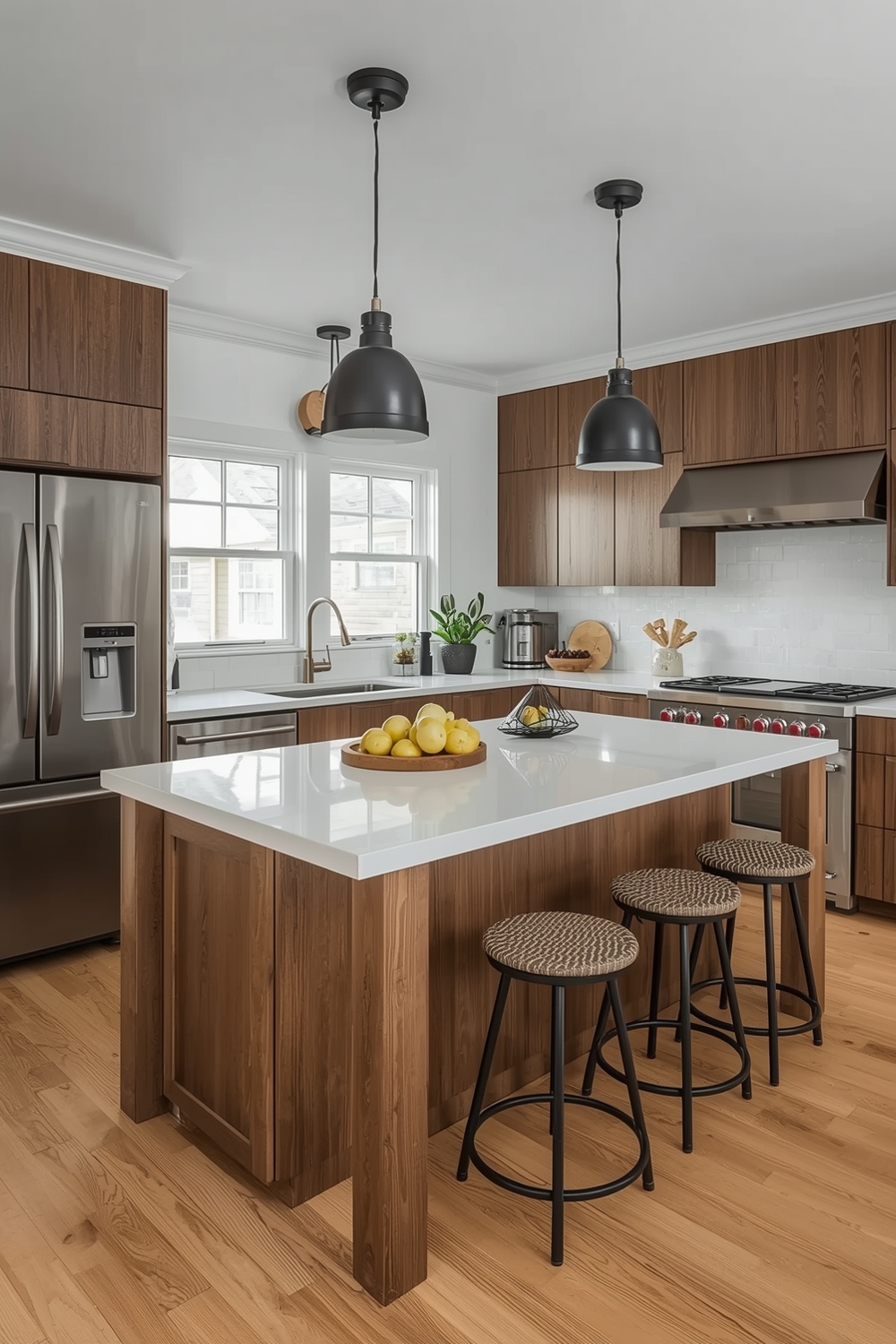
Contemporary layouts emphasize clean geometry and uncluttered surfaces. Handleless cabinets with push-to-open mechanisms maintain sleek lines, while integrated appliances like dishwashers or wine coolers disappear into the island’s design. Asymmetrical islands create visual interest in modern spaces. Rather than centering the island, position it to optimize traffic flow and create distinct kitchen zones. Extended countertop overhangs on one side provide casual seating without adding bulky bar stools that interrupt sight lines. Minimal ornamentation lets quality materials speak for themselves—think honed marble, stained concrete, or exotic wood species.
Kitchen Island with Generous Storage Solutions
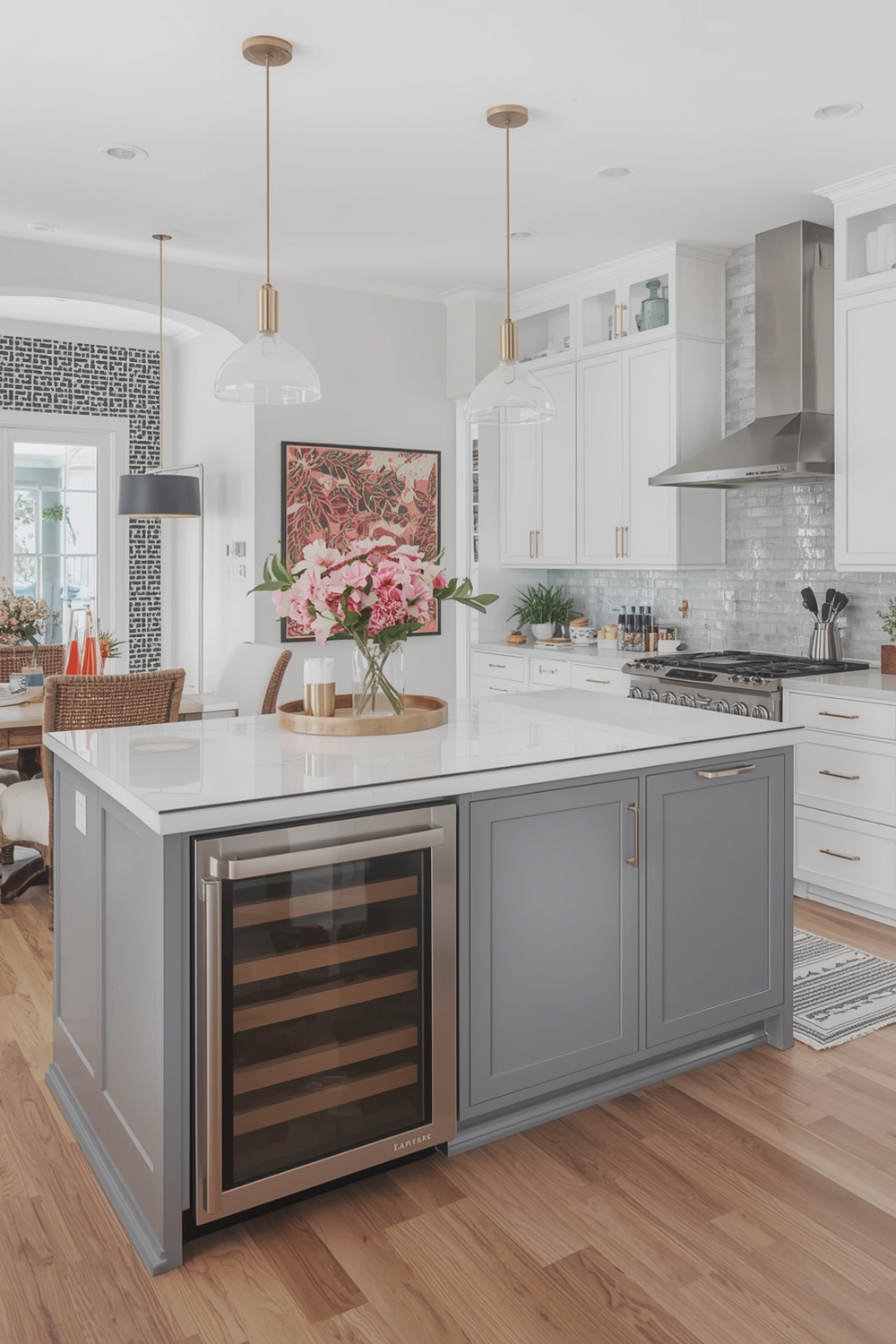
Kitchen island ideas featuring generous storage transform cluttered kitchens into organized havens. Floor-to-ceiling storage maximizes vertical space, with lower cabinets for heavy items and upper sections for frequently used supplies. Specialized storage solutions include pull-out spice racks, divided utensil drawers, and dedicated spaces for baking sheets or cutting boards. Corner islands can incorporate lazy Susans or swing-out shelves that make awkward spaces accessible. Consider your specific storage needs. Avid bakers might prioritize flour and sugar bins with scoops, while wine enthusiasts benefit from built-in wine racks or temperature-controlled storage.
Kitchen Island Decor Inspiration Boards
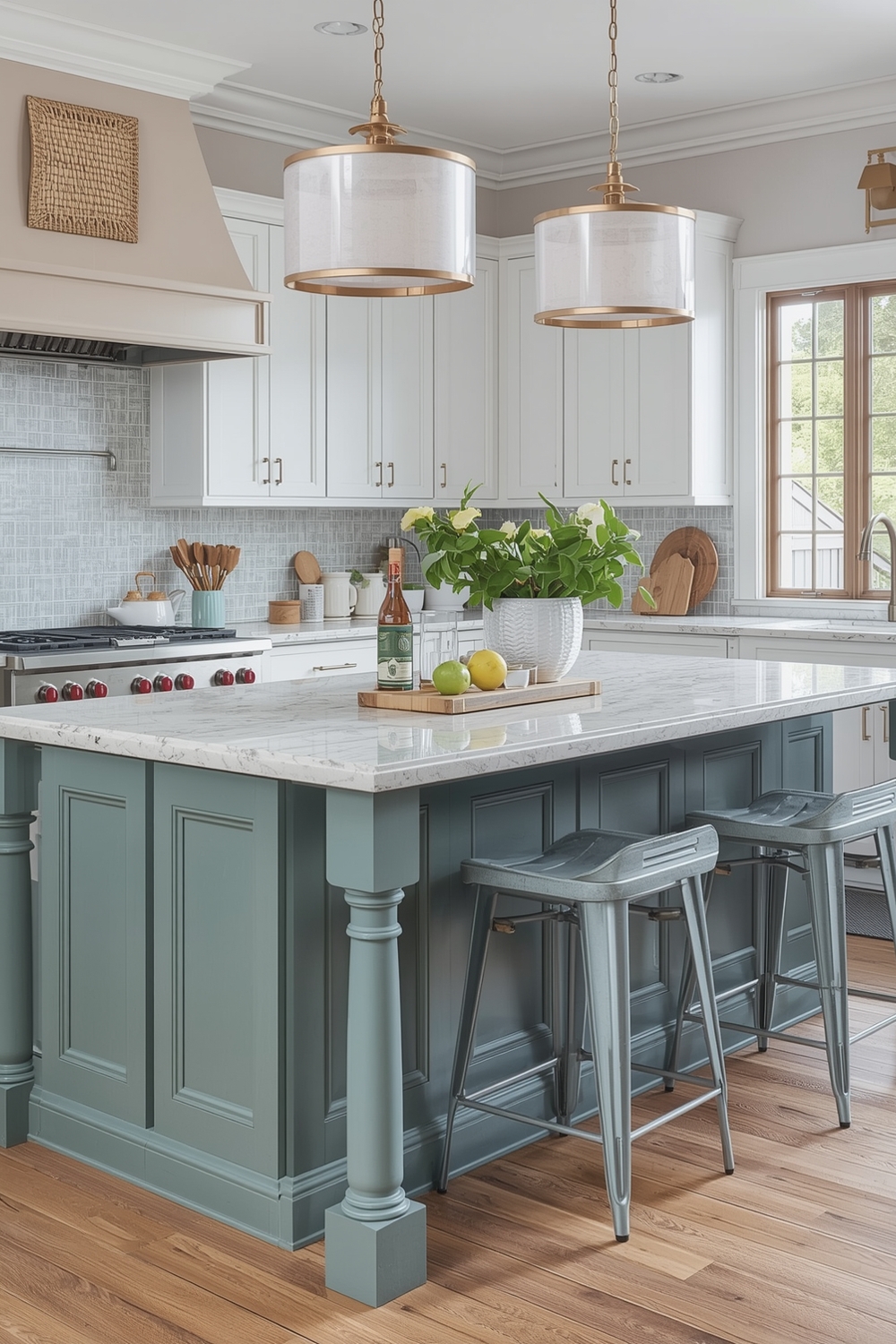
Decorating your kitchen island adds personality and warmth. Fresh flowers, seasonal produce in attractive bowls, or a collection of vintage kitchen tools create inviting displays without overwhelming the space. Statement lighting serves dual purposes—illumination and decoration. Pendant lights in unique shapes, finishes, or colors draw the eye upward and define the island as a focal point. Group pendants in odd numbers (three or five) for balanced visual impact. Decorative corbels, carved details, or furniture-style feet transform basic islands into architectural features. However, maintain restraint—too many decorative elements can appear cluttered and dated.
Bright Kitchen Island Layout Galleries
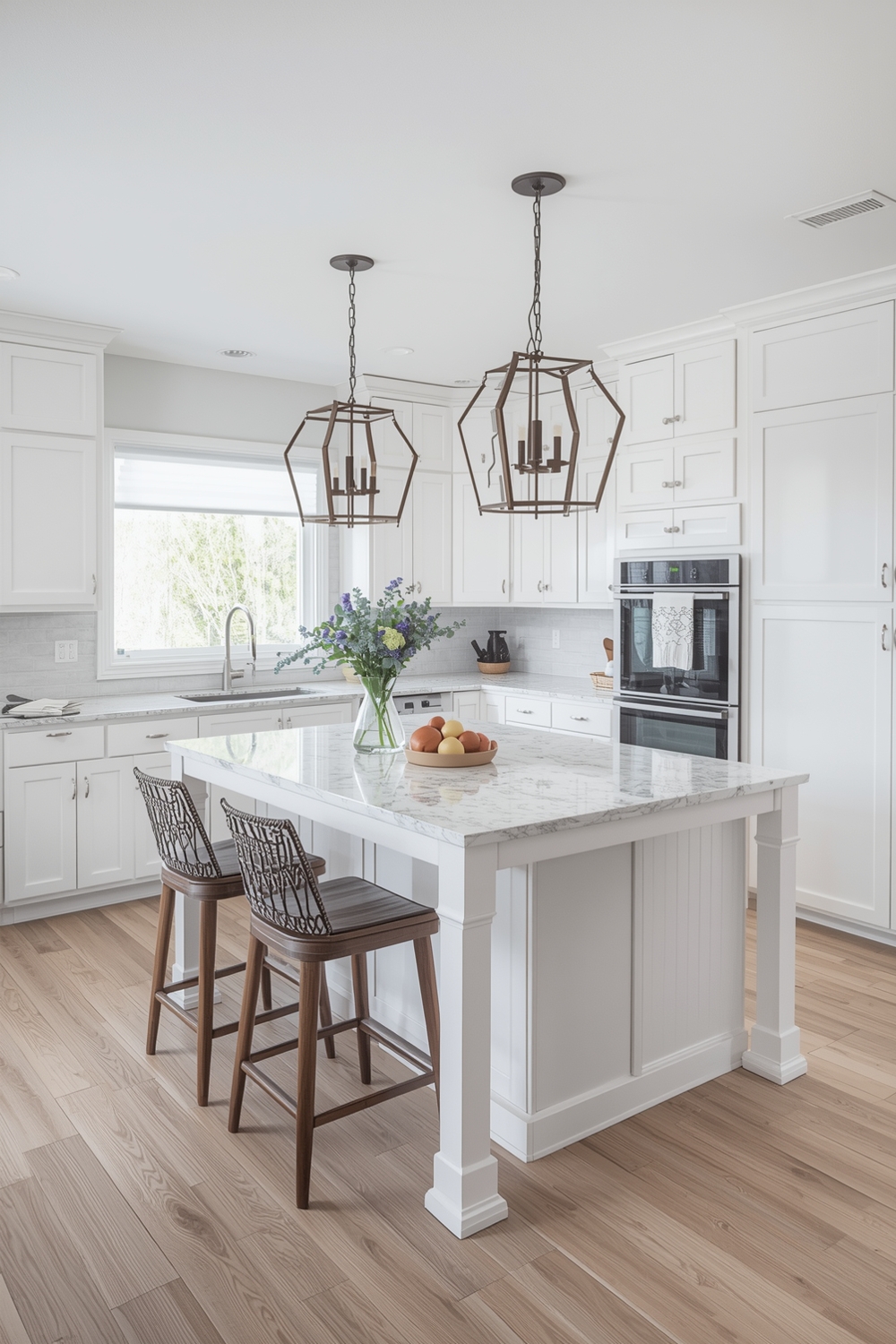
Bright, light-filled kitchens benefit from islands in reflective materials and light colors. White, cream, or pale gray islands maximize light reflection, making spaces feel larger and more open. Glass-front cabinets or open shelving on island sides allow light to pass through, preventing the island from blocking natural light flow. Position islands to avoid shadowing work surfaces—ideally perpendicular to windows rather than directly beneath them. Mirrored or metallic backsplashes on island sides bounce light throughout the room. Alternatively, choose glossy paint finishes rather than matte for increased light reflection.
Snug Kitchen Island Design Examples
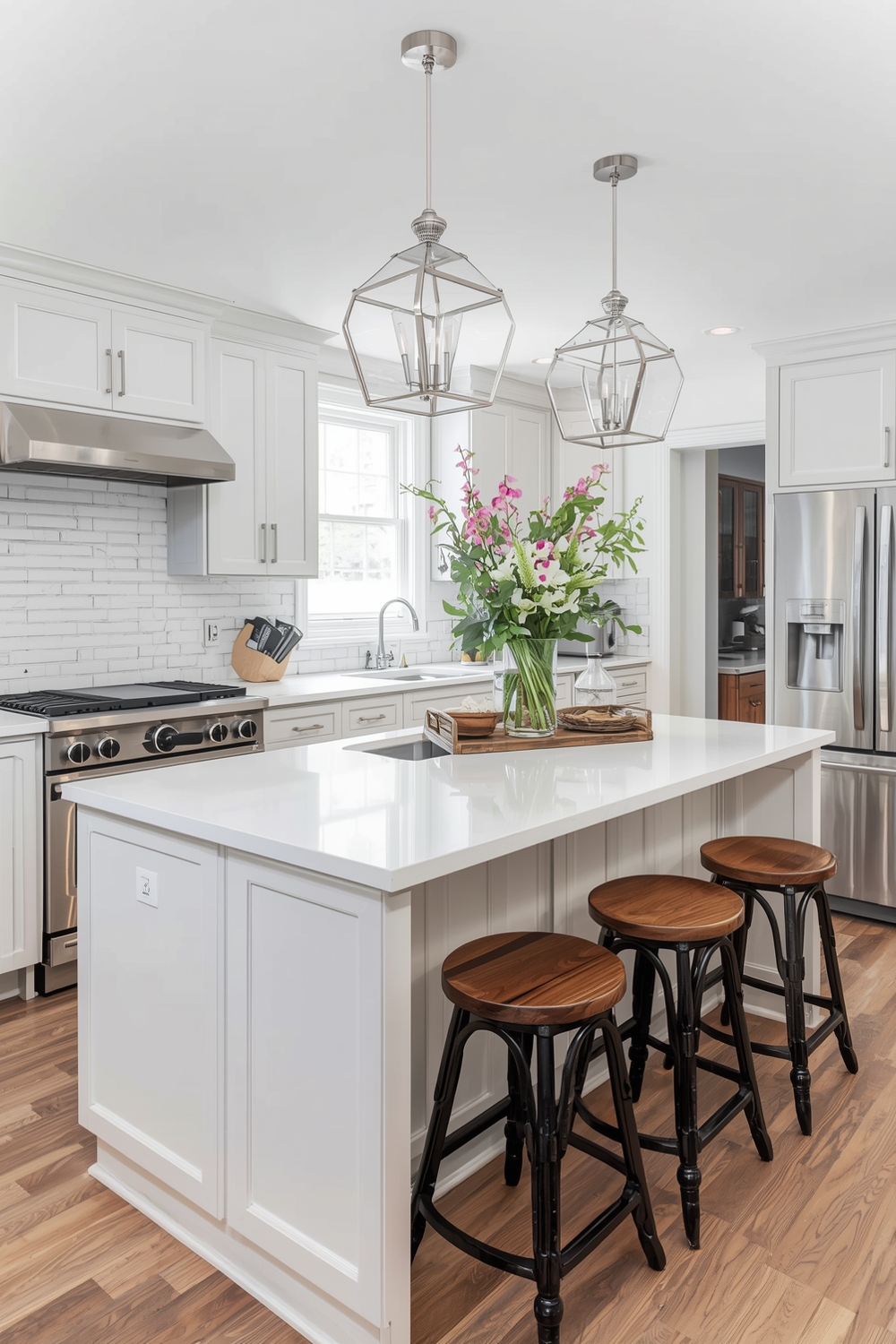
Small kitchen spaces deserve thoughtfully scaled islands. Narrow islands (24-30 inches wide) fit compact kitchens while still providing valuable workspace. Choose lighter colors and leg-style bases rather than solid cabinets to maintain visual openness. Multi-functional designs maximize limited space. A combination island-dining table serves dual purposes, while fold-down leaves extend the island when needed and collapse when space is tight. Vertical storage on island ends—magnetic knife strips, hanging pot racks, or pegboards—adds functionality without consuming precious floor space.
Efficient Kitchen Island Workspace Ideas
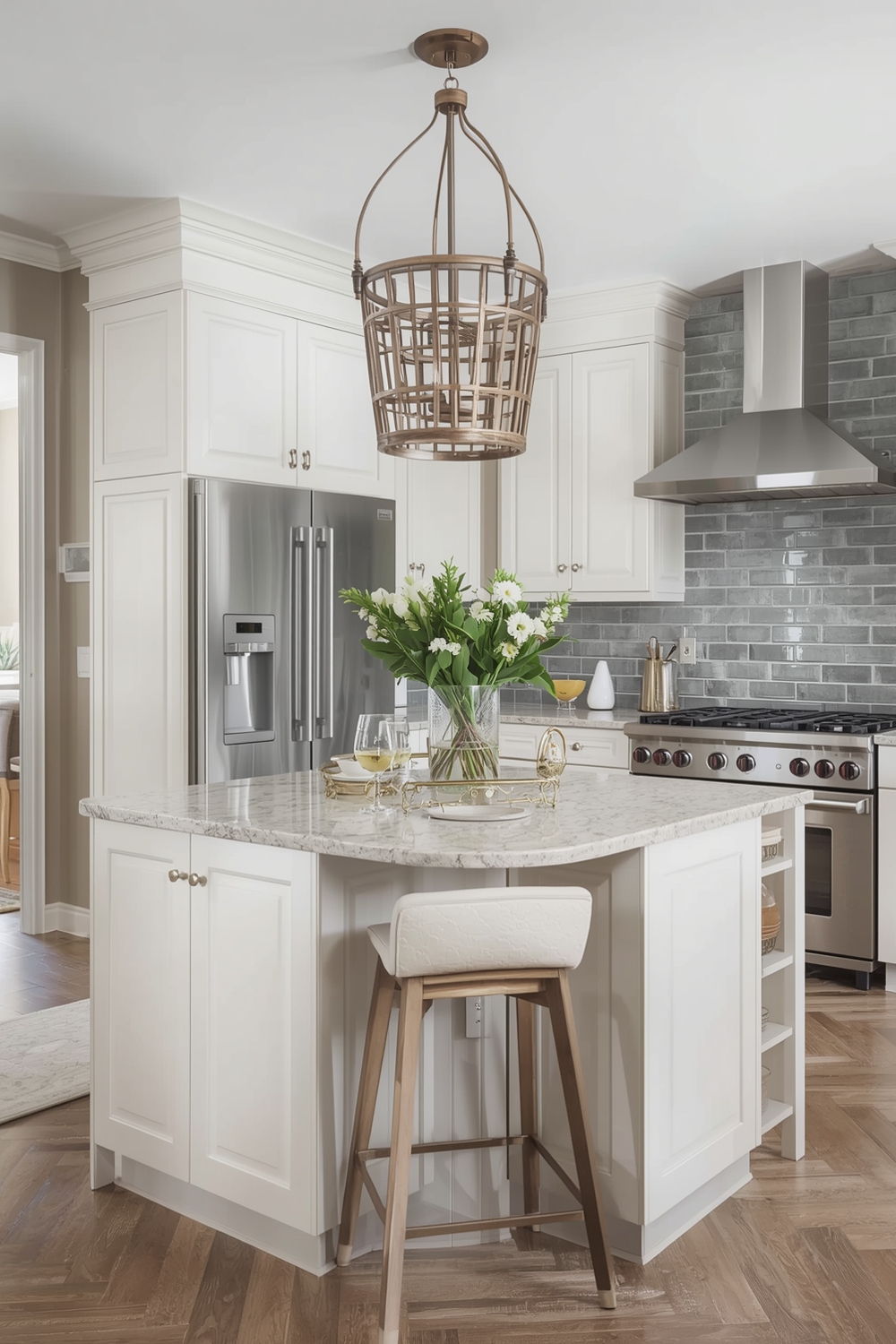
Workspace-focused kitchen island ideas include dedicated zones for specific tasks. Install a butcher block section for chopping, marble for pastry work, and stainless steel near the cooktop for hot pans. Proper electrical planning is essential. Include multiple outlets at countertop level, spaced to accommodate several small appliances simultaneously. USB ports and wireless charging pads keep devices powered without consuming outlet space. Adjustable-height islands accommodate different tasks and users. Pneumatic lift systems allow the island to function at standard counter height for food prep and raise to bar height for serving or dining.
Kitchen Island Lighting Design Concepts
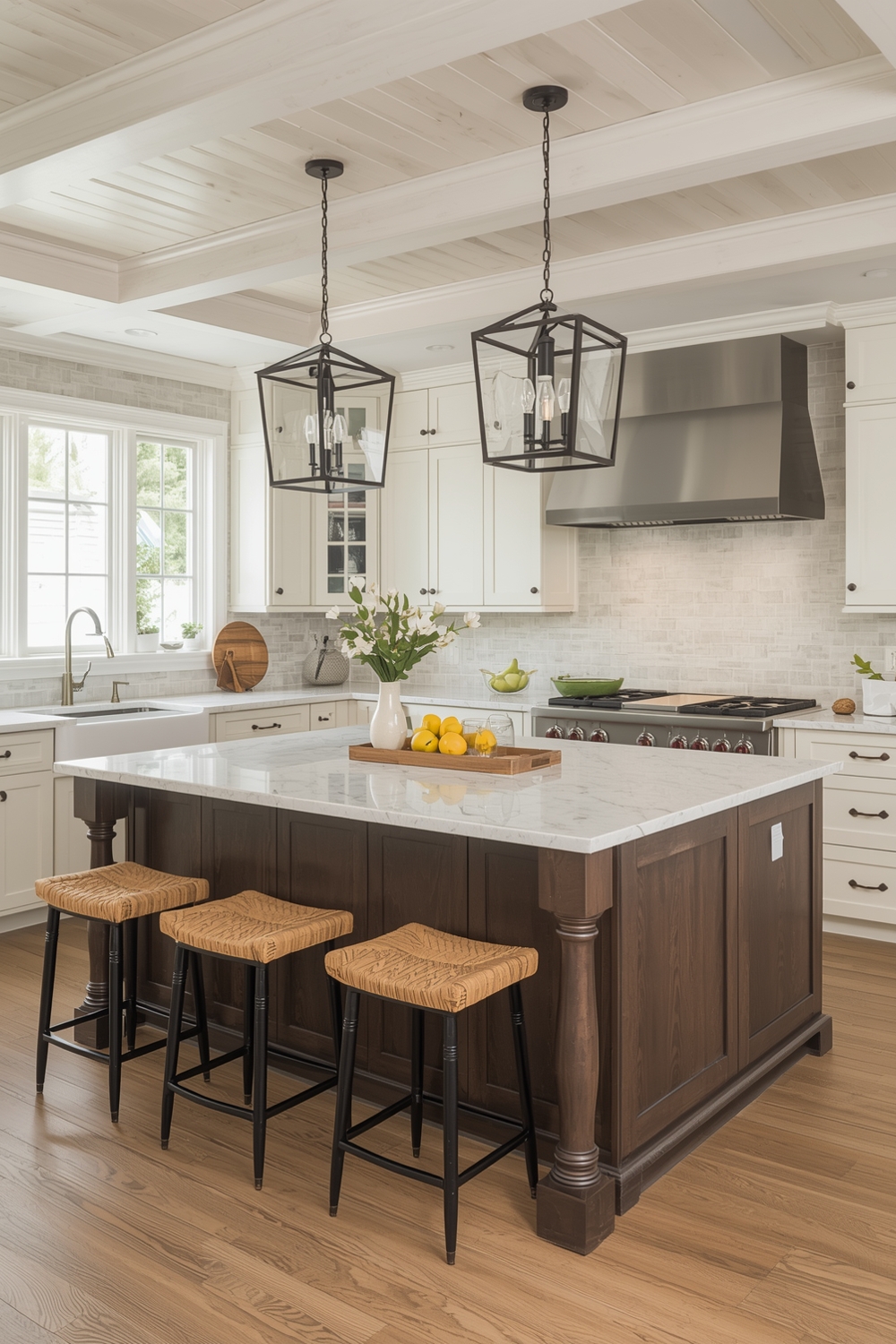
Lighting dramatically impacts your island’s functionality and ambiance. Task lighting should provide 75-100 foot-candles of illumination for food preparation. Position pendant lights 30-36 inches above the countertop, spacing them 24-30 inches apart for even coverage. Dimmer switches allow you to adjust lighting from bright task illumination during cooking to softer ambient lighting during dining. Under-cabinet lighting on the island itself illuminates base storage and adds a warm glow. Statement fixtures become art pieces. Oversized pendants, crystal chandeliers, or industrial-style cage lights establish your kitchen’s style. Ensure fixture scale matches your island size—larger islands accommodate bigger, bolder lighting.
Open Concept Kitchen Island Layout Plans
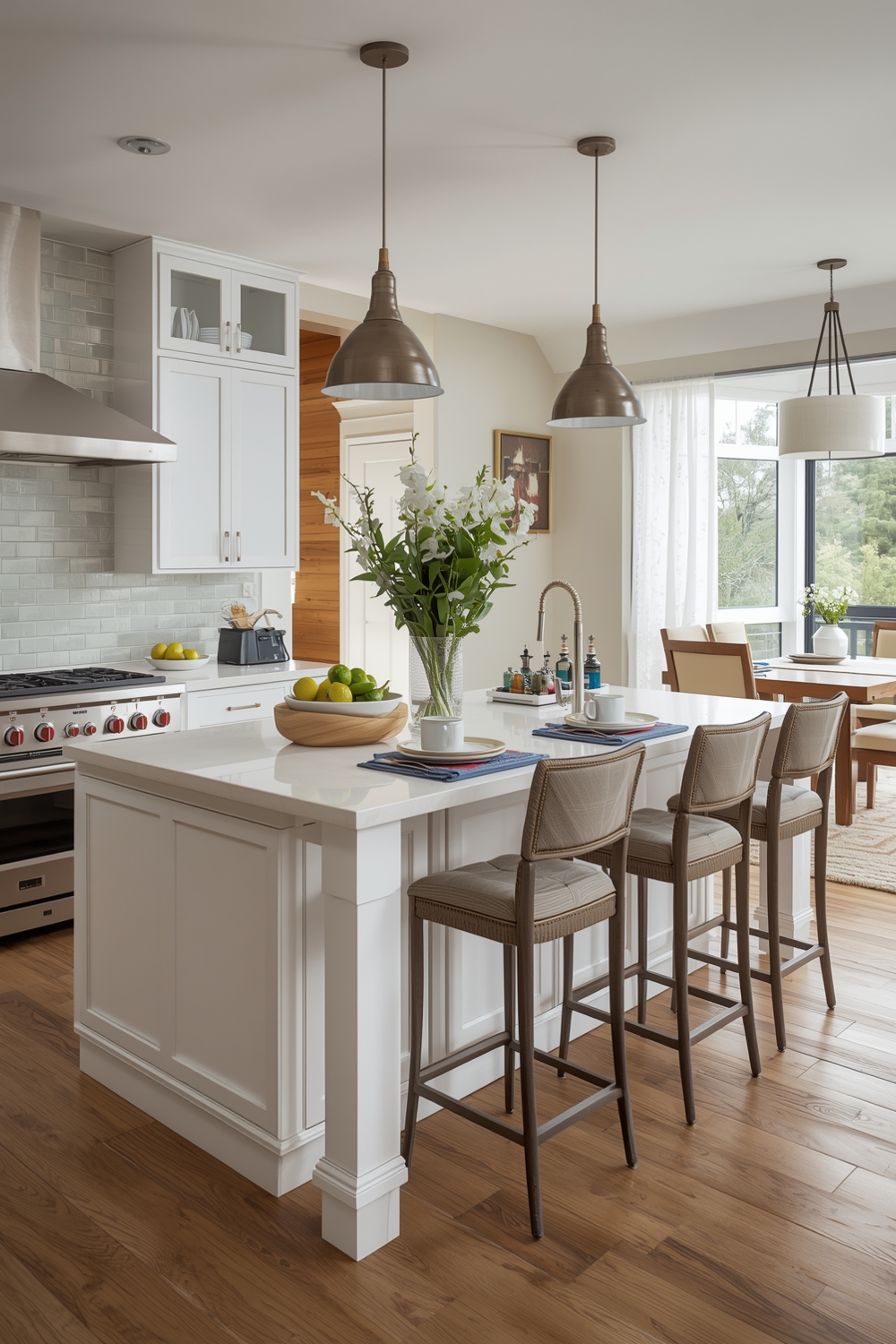
Open-concept spaces use islands to delineate kitchen boundaries without walls. Position your island to define the kitchen zone while maintaining sight lines to adjacent living areas. This placement allows the cook to interact with family or guests while preparing meals. Seating on the living-area side of the island creates a natural gathering spot. Include comfortable bar stools with backs for extended sitting. The island’s back side might feature decorative panels or open shelving displaying attractive items. Consistent flooring throughout open spaces maintains flow, while a coordinating but distinct island color or material visually anchors the kitchen area.
Chic Kitchen Island Accent Detail Ideas
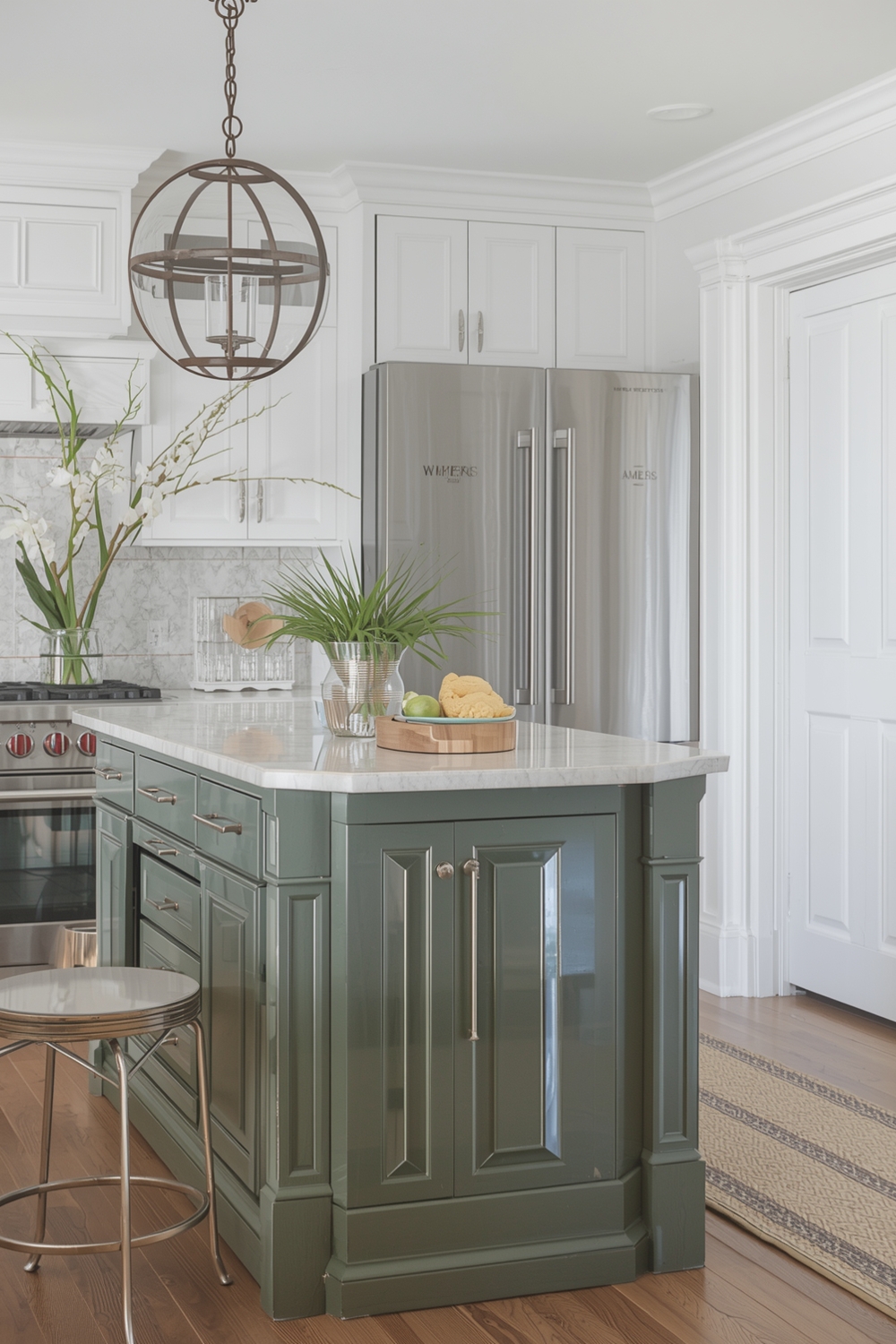
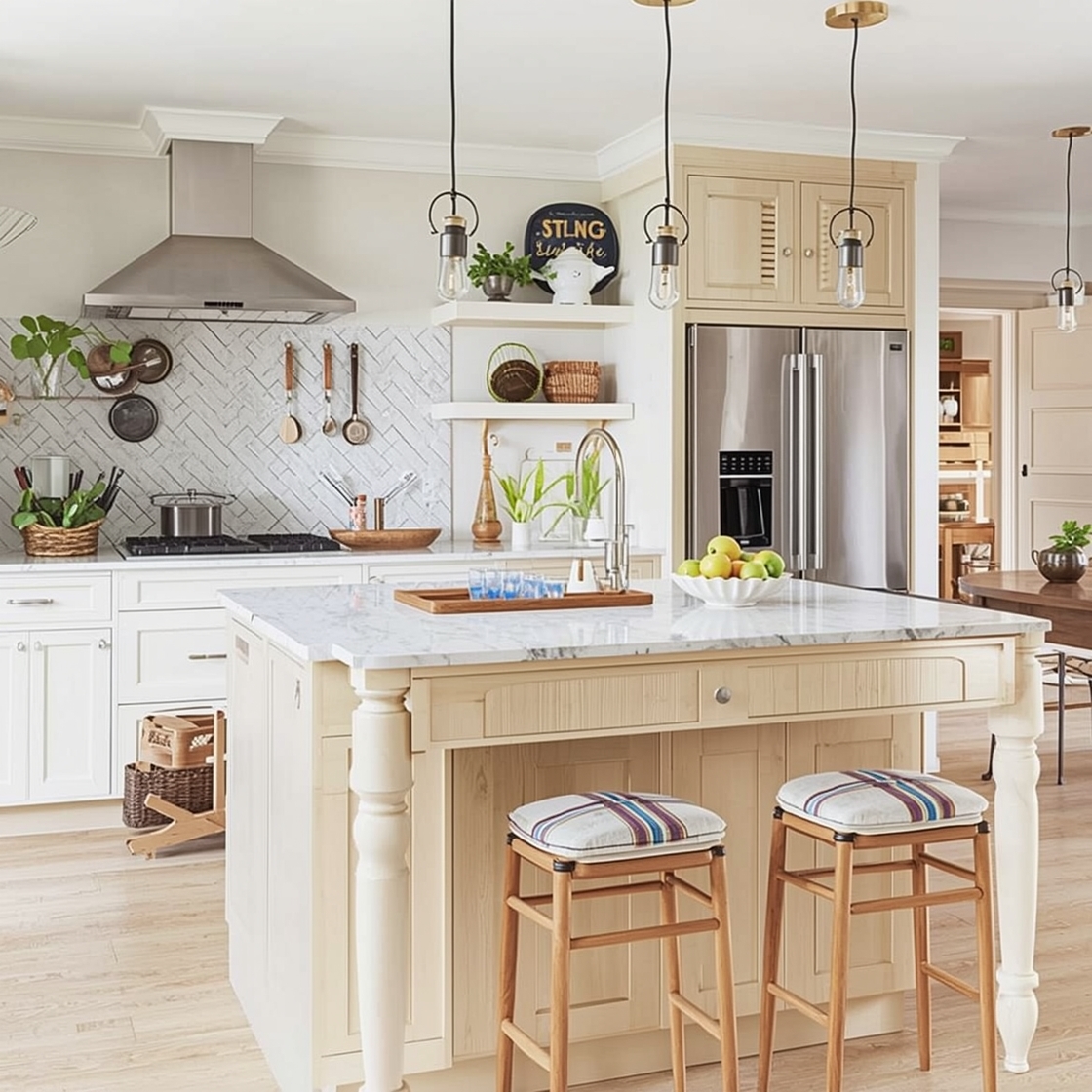
Thoughtful accent details elevate standard islands to custom showpieces. Decorative legs styled like furniture pieces add character, especially in traditional or transitional kitchens. Turned posts, carved corbels, or X-shaped supports create visual interest. Contrasting countertop edges—waterfall, beveled, or ogee profiles—add sophistication. The island offers an opportunity to splurge on a premium countertop material you might not use throughout the entire kitchen. Hardware selection significantly impacts overall style. Matte black fixtures create modern contrast, brass adds warmth and elegance, while crystal knobs evoke vintage glamour. Mix hardware styles between island and perimeter cabinets for visual distinction.
Kitchen Island Color Palette Inspirations
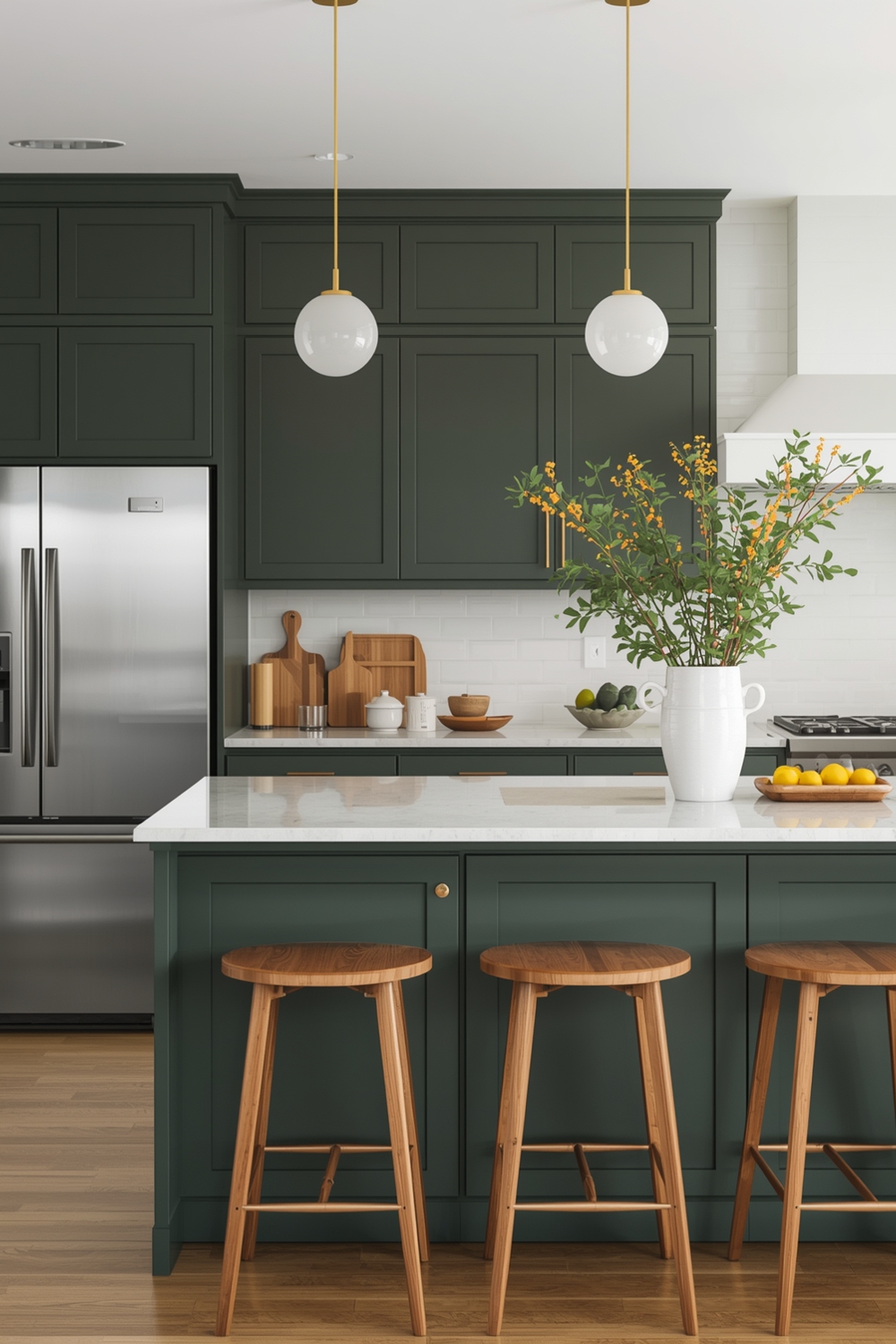
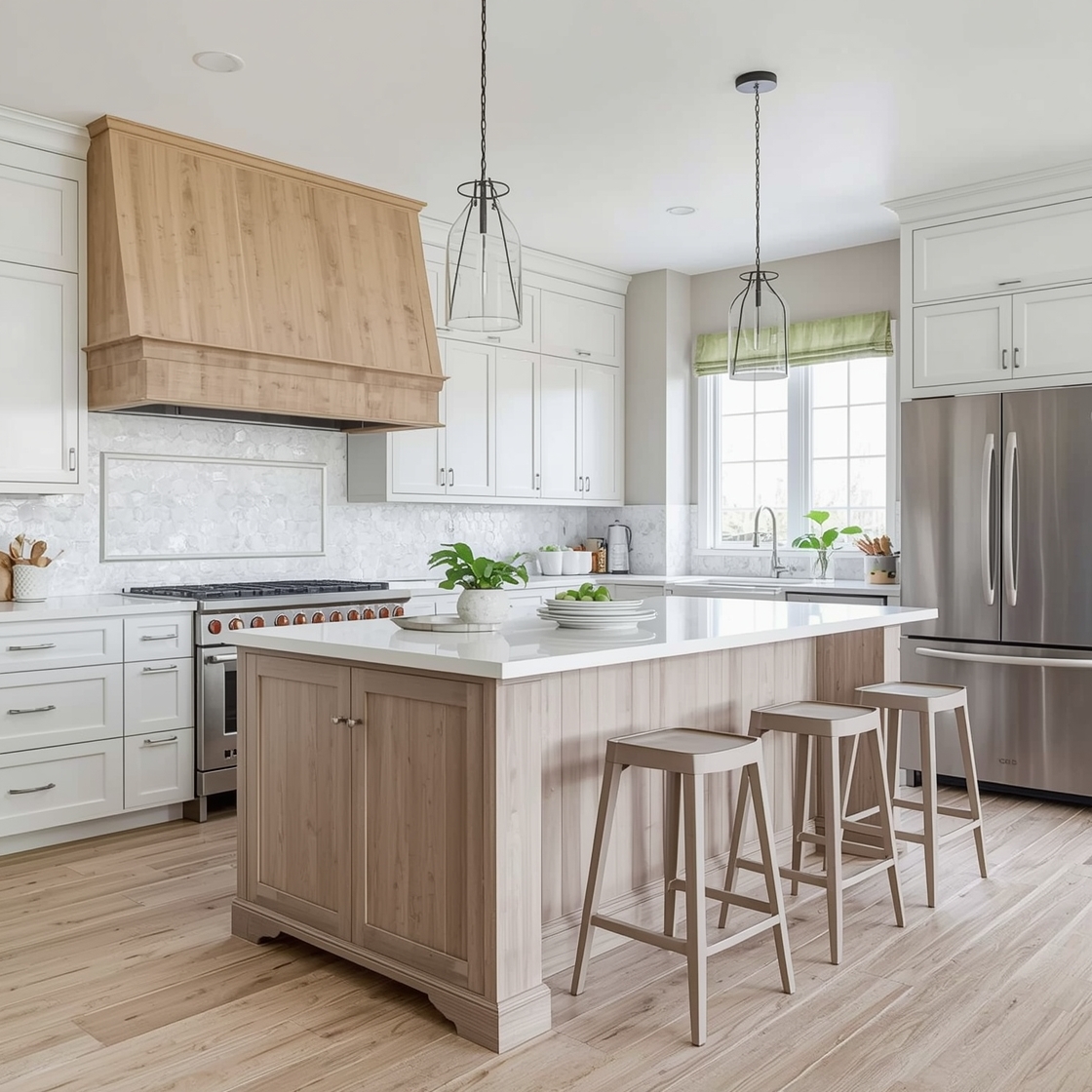
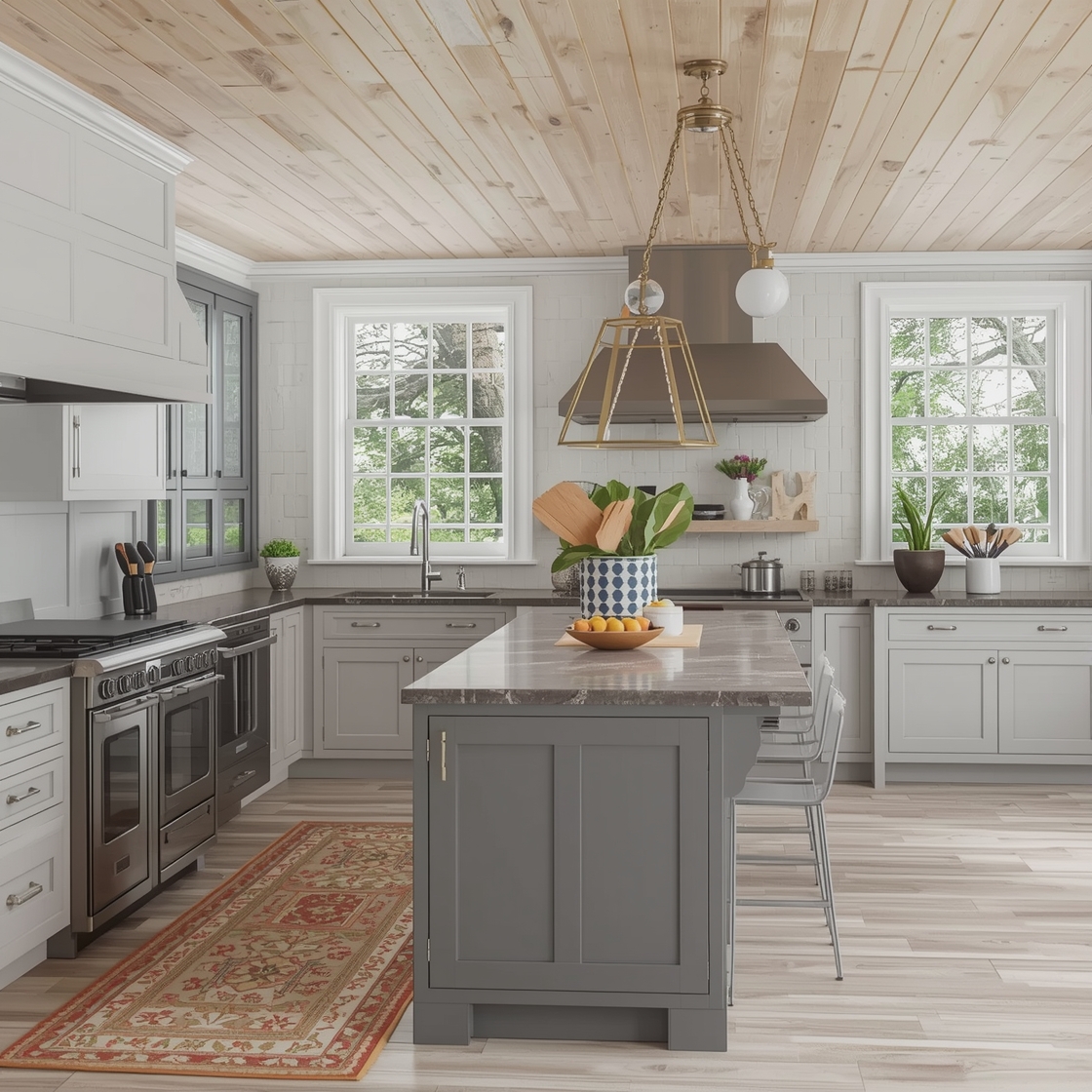
Color transforms kitchen islands from functional necessities to statement pieces. Bold island colors—navy, emerald, or even black—create dramatic contrast against neutral perimeter cabinets, anchoring the space and drawing focus. Natural wood tones bring organic warmth and work beautifully in both modern and rustic settings. Lighter woods like oak or maple feel casual and welcoming, while darker walnut or mahogany add sophistication. For subtle elegance, choose islands in deeper shades of your perimeter cabinet color. Gray cabinets paired with charcoal islands, or cream with khaki, provide tonal variation without high contrast. Two-tone combinations work best when undertones match—cool grays with blues, warm beiges with greens.
How This Idea Improves Your Space
A well-designed kitchen island revolutionizes daily life by centralizing kitchen activities and improving workflow efficiency. The additional counter space accommodates multiple cooks, while integrated storage reduces clutter throughout the kitchen. Islands with seating create casual dining spots perfect for quick breakfasts or homework sessions, fostering family connection. The central location naturally becomes the home’s gathering point, transforming your kitchen into a true heart-of-the-home space. Property value increases significantly with this sought-after feature that appeals to future buyers.
Budget-Friendly Tips
Repurpose existing furniture pieces—dressers, tables, or buffets—as unique island bases, adding wheels for mobility. IKEA base cabinets with custom countertops create affordable yet stylish islands. Paint existing islands in trending colors for instant updates without replacement costs. Shop salvage yards for reclaimed wood countertops or vintage architectural details that add character inexpensively.
Conclusion
A thoughtfully designed kitchen island enhances both functionality and aesthetics, adapting to your specific needs and style preferences. From compact rolling carts to expansive multi-functional centerpieces, the perfect island awaits your kitchen. Consider your workflow, storage requirements, and design vision as you plan. Whether you prefer contemporary minimalism or classic elegance, these 15 practical and chic plans provide inspiration for creating a kitchen island that transforms your space into an efficient, beautiful hub of home activity.
FAQs
What is the ideal kitchen island size? Standard islands measure 40 inches wide by 80 inches long, though dimensions should accommodate your kitchen size with at least 36-48 inches of clearance on all sides for comfortable movement. Can small kitchens accommodate islands? Yes—compact islands (24-30 inches wide), rolling carts, or narrow peninsulas provide island benefits without overwhelming limited space. Consider scaled-down designs and multi-functional furniture pieces. What’s the best countertop material for kitchen islands? It depends on usage. Butcher block suits food preparation, quartz offers durability and low maintenance, marble works beautifully for baking, and granite provides heat resistance. Consider combining materials for different zones. Should my island match my kitchen cabinets? Not necessarily. Contrasting island colors or finishes create visual interest and focal points. However, ensure undertones coordinate—warm with warm or cool with cool—for cohesive design. How much does a kitchen island cost? Costs range from $500 for basic rolling carts to $10,000+ for custom islands with premium materials and appliances. Mid-range semi-custom options typically cost $2,000-$5,000 including installation.